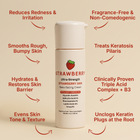
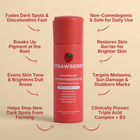
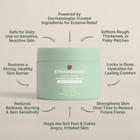

Breakthrough Triple-Acid Formula Achieves 91% Improvement in Keratosis Pilaris: Clinical Analysis
Summary
Keratosis pilaris (KP) is a genetic condition affecting nearly 40% of adults, characterized by keratin accumulation within hair follicles that produces a persistent sandpaper-like texture on the upper arms, thighs, and shoulders. Despite its prevalence, the condition is widely misunderstood—often mistaken for acne, poor hygiene, or simply "bad skin." This analysis examines a triple-acid complex (glycolic 6%, lactic 1%, salicylic 0.5%) designed to dissolve keratin plugs at the follicular level. In a 12-patient study, 91.7% showed visible improvement within 7 days, with significant reduction in surface texture and follicular prominence.
Introduction: Understanding Keratosis Pilaris
Keratosis pilaris (KP) is among the most common dermatological conditions, yet remains widely underdiagnosed and misunderstood. Many individuals with KP have never received a formal diagnosis, attributing their symptoms to poor hygiene, chronic acne, or simply "genetic bad luck."

The condition is, in fact, a disorder of keratinization. Keratin—a protective protein produced by the skin—accumulates within hair follicles, forming small plugs that manifest as rough, sandpaper-like papules. These papules most commonly appear on the upper arms, thighs, and buttocks, though they may also affect the face and trunk.
Conventional approaches such as physical exfoliation (scrubbing) are largely ineffective and may exacerbate the condition by irritating the skin and triggering increased keratin production. This is because the pathology originates within the follicle itself, not on the skin surface.
KP is hereditary and unrelated to hygiene practices. However, recent advances in topical keratolytic therapy suggest the condition is more treatable than commonly believed.
Key Discovery
Because keratin plugs form within the hair follicle rather than on the skin surface, topical treatment must penetrate the follicular opening to be effective. A triple-acid keratolytic complex—combining glycolic, lactic, and salicylic acids—demonstrated the ability to dissolve keratin accumulation at the follicular level. In clinical testing, 91.7% of patients showed measurable improvement within 7 days.

The Science Behind the Triple-Acid Formula
Glycolic Acid (6%) — Keratolytic Penetration
Glycolic acid is an alpha-hydroxy acid (AHA) with the smallest molecular weight in its class, enabling superior penetration into the stratum corneum. It functions by disrupting the bonds between corneocytes (dead skin cells), effectively dissolving the keratin plugs that characterize KP.
At 6% concentration, glycolic acid provides significant keratolytic activity while minimizing the irritation associated with higher concentrations. Its ability to reach the follicular level—where KP pathology originates—makes it a critical component of effective treatment.
Lactic Acid (1%) — Hydration and Barrier Support
Lactic acid serves a dual function in KP treatment. As an alpha-hydroxy acid, it contributes to keratolytic activity. However, its primary role in this formulation is as a humectant—drawing moisture into the skin and supporting barrier function.
KP-affected skin typically presents with compromised barrier function and reduced moisture retention. Lactic acid, helps restore hydration while the other acids address the keratin accumulation. This reduces the dryness and inflammation often associated with the condition.
Salicylic Acid (0.5%) — Follicular Clearance
Salicylic acid is a beta-hydroxy acid (BHA) distinguished by its lipophilic (oil-soluble) properties. Unlike AHAs, which work primarily on the skin surface, salicylic acid can penetrate into the sebaceous follicle itself—the precise location where keratin plugs form in KP.
This follicular penetration is essential. While glycolic and lactic acid address surface-level keratinization, salicylic acid clears the obstruction from within the follicle, addressing the root cause of papule formation.
Synergistic Multi-Acid Approach
Conventional KP treatments typically employ single-agent keratolytics. Physical exfoliation targets only the skin surface. Single-acid preparations may address one aspect of the condition while neglecting others.
The triple-acid protocol takes a multi-mechanism approach, with each component targeting a different aspect of KP pathology:
Glycolic acid disrupts corneocyte adhesion → Lactic acid restores hydration and barrier function → Salicylic acid clears follicular obstruction.
The result: effective treatment in a fast-absorbing, fragrance-free formulation with no residue.

Clinical Results
Treatment response was assessed at baseline, Day 7, Day 14, and Day 28 using the Investigator Global Assessment (IGA) scale and standardized clinical photography. Of 12 patients enrolled, 11 (91.7%) demonstrated measurable improvement by Day 28, with the majority showing visible response by Day 7.
12-Patient Study Findings
- 91.7% response rate — 11 of 12 patients demonstrated measurable improvement in skin texture
- Rapid onset — Visible improvement observed within 7 days of treatment initiation
- High completion rate — 100% of patients completed the 28-day treatment protocol
- Favorable cosmetic profile — Fast-absorbing formulation with no residue
- Well-tolerated — Fragrance-free, no reported adverse reactions
Mean severity scores decreased progressively throughout the treatment period, with the most significant improvement observed between baseline and Day 7 (Figure 1). This early response pattern was consistent across the majority of patients.
Clinical photography confirmed the quantitative findings. As demonstrated in Figure 2, patients exhibited marked reduction in follicular papule prominence and surface texture irregularity, with visible smoothing of the skin surface and reduction in associated erythema.


Treatment Timeline
Initial Phase
Keratolytic activity begins as the acid complex penetrates follicular openings and initiates dissolution of keratin plugs. Visible improvement is not typically observed during this phase, though patients may report skin feeling slightly smoother to the touch.
Early Response
The majority of patients observe initial visible improvement during this period. Papules begin to flatten, surface texture softens, and associated erythema (redness) typically decreases as follicular inflammation subsides.
Progressive Improvement
Significant improvement in skin texture becomes apparent. Clinical assessment shows marked reduction in papule prominence and surface roughness. Patients in the study reported increased confidence regarding skin appearance during this phase.
Optimal Results
Maximum treatment response is typically achieved. Skin presents with substantially improved texture and minimal residual papules. Following the initial treatment period, a maintenance protocol of 2-3 applications per week is recommended to sustain results.
Conclusion
Keratosis pilaris, while commonly dismissed as untreatable, responds well to targeted keratolytic therapy when the formulation addresses the condition's underlying pathology—keratin accumulation within the hair follicle.
The triple-acid complex evaluated in this analysis demonstrated a 91.7% response rate, with the majority of patients showing visible improvement within 7 days of treatment initiation. The formulation's favorable cosmetic profile—fast absorption, no residue, fragrance-free—contributed to high patient acceptance and treatment completion.
These findings suggest that KP is more treatable than commonly believed, and that a multi-acid keratolytic approach may offer significant improvement for individuals who have previously considered the condition permanent.
Researchers have made their complete clinical protocol publicly available, including the specific formulation and application guidelines that produced these remarkable results.
The Clinically Tested Formula Behind Our Results >>