

Scroll through social media for just a few minutes and you'll probably see flawless skin everywhere.
No visible pores.
No bumps.
No texture.
No dark spots.
No hair follicles.
It's easy to believe that perfectly smooth skin is what healthy skin should look like.
But here's the truth:
Healthy skin naturally has texture.
Tiny pores, visible hair follicles, fine lines, and slight variations in tone are completely normal. Unfortunately, heavily edited photos, filters, and unrealistic beauty standards have made many people believe that any amount of texture means something is wrong.
If you've ever looked at your arms or legs and wondered:
- "Why is my skin bumpy?"
- "Why can I see my pores?"
- "Is this strawberry skin?"
- "Does healthy skin look perfectly smooth?"
You're not alone.
Understanding what healthy skin texture actually looks like can help you build realistic expectations—and choose skincare routines that improve your skin without chasing impossible perfection.
In this guide, we'll explain:
- What healthy skin texture really looks like
- The difference between normal texture and skin conditions
- When rough skin may indicate keratosis pilaris or strawberry skin
- How to improve skin texture safely
- Common myths about "perfect" skin
What Is Skin Texture?
Skin texture refers to how your skin looks and feels.
Healthy skin isn't perfectly flat.
Instead, it naturally contains:
- pores
- hair follicles
- tiny skin lines
- slight unevenness
- natural oil glands
All of these structures are essential for healthy skin.
Texture simply becomes more noticeable when these structures are affected by:
- dead skin buildup
- dryness
- clogged follicles
- inflammation
- keratin accumulation

What Does Healthy Skin Texture Actually Look Like?
Healthy skin usually appears:
- soft
- hydrated
- flexible
- evenly toned
- naturally textured
Notice what isn't on this list:
Perfectly smooth.
Even healthy skin has:
- visible pores
- fine hair follicles
- slight bumps around follicles
- tiny natural lines
The goal isn't eliminating every pore.
The goal is maintaining skin that functions well.
Healthy Skin vs. Perfect Skin
One of the biggest misconceptions today is that healthy skin should resemble airbrushed photos.
In reality:
Healthy Skin
✔ Visible pores
✔ Natural texture
✔ Hair follicles
✔ Slight color variation
✔ Soft, flexible surface
Unhealthy Skin
May include:
- excessive dryness
- painful inflammation
- persistent irritation
- damaged barrier
- infected follicles
Notice that texture alone doesn't determine skin health.

Why Social Media Creates Unrealistic Expectations
Modern smartphones automatically apply:
- skin smoothing
- AI enhancement
- beauty filters
Many professional photos are also:
- retouched
- edited
- airbrushed
As a result, people begin comparing their completely normal skin to images that don't exist in real life.
Is It Normal to See Hair Follicles?
Absolutely.
Every hair grows from a follicle.
On areas like:
- legs
- arms
- thighs
hair follicles are naturally easier to see.
They're especially noticeable if:
- hair is dark
- skin is fair
- follicles are naturally larger
Visible follicles don't necessarily mean you have strawberry skin.
When Does Skin Texture Become a Concern?
Healthy skin has texture.
However, you may benefit from treatment if texture is accompanied by:
- rough bumps
- persistent dryness
- dark follicular dots
- itching
- irritation
- redness
These symptoms may suggest an underlying condition.
Strawberry Skin
Strawberry skin develops when follicles become more visible because of:
- clogged pores
- dead skin buildup
- shaving irritation
- oxidized debris
It commonly appears as:
- tiny dark dots
- rough texture
- visible follicles
Most often on:
- legs
- thighs
Keratosis Pilaris (KP)
Another common cause of rough texture is keratosis pilaris.
KP develops when excess keratin blocks hair follicles.
This creates:
- rough bumps
- chicken skin
- bumpy skin on arms
- uneven texture
Unlike temporary dryness, KP often requires ongoing skincare maintenance.
Dry Skin
Dry skin doesn't always cause bumps.
However, dehydration makes existing texture much more noticeable.
When the skin barrier lacks moisture:
- rough patches develop
- follicles stand out more
- skin feels less smooth
Why Your Skin May Feel Like Sandpaper
Many people describe KP as feeling like sandpaper.
This usually happens because:
- keratin accumulates
- follicles become raised
- dead skin remains on the surface
Moisturizer alone often improves softness—but doesn't completely remove the underlying buildup.
Why Skin Texture Changes Throughout the Year
Your skin isn't static.
It changes based on:
- humidity
- temperature
- hormones
- skincare routine
- shaving habits
- age
For example:
Winter
Often brings:
- dryness
- rough texture
- more noticeable KP
Summer
May increase:
- shaving irritation
- visible follicles
- strawberry legs
- sweat-related buildup
This is why texture naturally changes throughout the year.
Is Completely Smooth Skin Possible?
Not realistically.
Even people with excellent skin have:
- pores
- follicles
- natural texture
The goal of skincare isn't to eliminate skin texture.
It's to reduce unhealthy texture while maintaining a healthy skin barrier.
How to Improve Skin Texture Safely
The goal of skincare isn't to erase every pore or create filter-like skin.
Instead, it's to support your skin's natural renewal process while improving roughness caused by conditions like strawberry skin and keratosis pilaris.
Here's what an effective routine looks like.
Step 1: Cleanse Without Stripping Your Skin
Healthy skin starts with a healthy skin barrier.
Use a gentle cleanser that removes:
- dirt
- sweat
- sunscreen
- excess oil
without removing all of your natural moisture.
Avoid harsh soaps that leave your skin feeling tight or squeaky clean.
That feeling often indicates your skin barrier has been disrupted.
Step 2: Exfoliate the Right Way
One of the biggest reasons texture becomes rough is the buildup of:
- dead skin cells
- keratin
- follicular debris
Gentle exfoliation helps improve:
- skin turnover
- rough texture
- clogged follicles
- the appearance of strawberry skin
Unlike aggressive scrubbing, chemical exfoliation works gradually while being kinder to the skin.
Salicylic Acid
Best for:
- clogged follicles
- visible pores
- strawberry legs
- ingrown hairs
Because it penetrates into the follicle, it helps reduce buildup where strawberry skin often begins.
Lactic Acid
Excellent for:
- keratosis pilaris
- rough texture
- dry skin
Lactic acid exfoliates while also helping the skin retain moisture.
Glycolic Acid
Helps improve:
- uneven texture
- dullness
- skin renewal
It encourages healthier skin turnover over time.
Urea
Frequently used in keratosis pilaris cream and keratosis pilaris lotion, urea helps:
- soften rough skin
- improve hydration
- reduce keratin buildup
Step 3: Moisturize Every Day
Healthy texture depends on hydration.
A good:
- keratosis pilaris moisturizer
- moisturizer for KP
helps support:
- the skin barrier
- moisture retention
- smoother-feeling skin
Look for ingredients like:
- ceramides
- glycerin
- hyaluronic acid
- urea
Remember:
Soft skin isn't always smooth skin—but hydration makes exfoliation more effective.
Step 4: Protect Your Skin Barrier
Your skin barrier is responsible for keeping moisture in and irritants out.
When it's damaged, skin may become:
- rough
- flaky
- irritated
- more textured
Protect your barrier by:
- avoiding over-exfoliation
- using gentle cleansers
- moisturizing consistently
- wearing sunscreen daily
Step 5: Be Patient
Healthy skin texture doesn't change overnight.
Most people notice gradual improvements over several weeks of consistent care.
Weeks 1–2
- improved hydration
- softer skin
Weeks 4–8
- smoother texture
- fewer rough patches
Weeks 8–12
- healthier-looking skin
- reduced appearance of strawberry skin
- improved skin feel
Long-term consistency is far more important than using stronger products.
Healthy Skin Has Texture—But It Doesn't Have to Feel Rough
If rough bumps, strawberry skin, or keratosis pilaris are making your skin feel less smooth, it's time for a routine that goes beyond basic moisturizers.
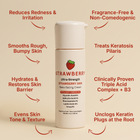
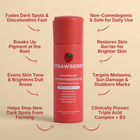
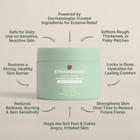
TryStrawberry's Advanced Triple-Acid Complex is formulated to gently exfoliate, reduce follicular buildup, and support smoother, healthier-looking skin with consistent use.
Shop Advanced Triple-Acid ComplexSupport smoother skin with a routine designed for strawberry skin and keratosis pilaris.
A Smarter, Multi-Active Approach to Improving Skin Texture
Healthy skin texture isn't just about adding moisture or exfoliating more often. Most texture concerns—especially strawberry skin and keratosis pilaris—are influenced by several factors at once, including:
- keratin buildup
- clogged follicles
- uneven skin turnover
- dryness
- skin barrier health
That's why many modern skincare routines combine multiple active ingredients rather than relying on a single exfoliating acid or moisturizer.
TryStrawberry's Advanced Triple-Acid Complex for Keratosis Pilaris is designed with this multi-active philosophy in mind.
Its formulation combines exfoliating acids that work together to help:
- smooth rough skin texture
- reduce follicular buildup
- improve the appearance of strawberry legs
- support healthier-looking skin over time
When paired with daily moisturization and consistent skincare habits, this comprehensive approach can help improve:
- strawberry skin treatment
- keratosis pilaris treatment
- kp treatment
- rough, bumpy skin associated with follicular buildup
Rather than aiming for unrealistic perfection, the focus is on helping your skin look and feel healthier with consistent care.
Myth vs. Fact
Myth: Healthy skin should be completely smooth.
Fact: Healthy skin naturally has pores, hair follicles, and subtle texture.
Myth: Visible pores mean your skin is unhealthy.
Fact: Pores are a normal part of healthy skin. They only become a concern if accompanied by persistent irritation or other symptoms.
Myth: Rough skin always means poor skincare.
Fact: Conditions like keratosis pilaris and strawberry skin are often influenced by genetics and natural skin processes, even in people with excellent skincare habits.
Myth: Scrubbing harder creates smoother skin.
Fact: Over-scrubbing can damage the skin barrier and increase redness or irritation. Gentle, consistent exfoliation is usually more effective.
Myth: Social media shows what healthy skin looks like.
Fact: Many images online use filters, editing, and lighting that remove natural skin texture.
Frequently Asked Questions
Is it normal to have texture on your skin?
Yes. Healthy skin naturally has pores, hair follicles, and slight texture. Completely smooth skin is not realistic.
How do I know if my skin texture is normal?
If your skin feels soft, hydrated, and isn't painful or inflamed, some visible texture is completely normal. Persistent rough bumps, irritation, or discoloration may indicate conditions like strawberry skin or keratosis pilaris.
Can strawberry skin be considered healthy skin?
Strawberry skin is usually a harmless cosmetic concern. While it affects the appearance of the skin, it doesn't necessarily mean your skin is unhealthy.
Does keratosis pilaris mean my skin is unhealthy?
No. Keratosis pilaris is a very common condition caused by keratin buildup around hair follicles. It doesn't indicate poor hygiene or poor overall skin health.
Can I completely remove all skin texture?
No. Healthy skin will always have some natural texture. The goal is to improve roughness and unevenness—not eliminate normal skin structures.
What is the best way to improve skin texture?
A combination of gentle exfoliation, daily moisturization, barrier support, and consistent skincare habits is the most effective approach for long-term improvement.
Final Thoughts
Healthy skin doesn't need to be flawless to be healthy.
Visible pores, hair follicles, and natural texture are all normal parts of human skin. Comparing yourself to heavily edited photos or social media filters can create unrealistic expectations that no skincare routine can achieve.
Instead of chasing perfectly smooth skin, focus on building habits that support your skin's natural function. If you're dealing with strawberry skin, keratosis pilaris, or rough texture, remember that these conditions are common and often improve with the right combination of exfoliation, hydration, and barrier care.
The healthiest skin isn't skin without texture—it's skin that is comfortable, resilient, well cared for, and supported by a consistent routine.