

Have you ever looked at your legs, arms, or thighs and noticed tiny dark dots, rough bumps, or uneven texture that resembles the surface of a strawberry?
If so, you've probably asked yourself:
"Is strawberry skin a sign that my skin is unhealthy?"
It's a fair question.
Many people assume that strawberry skin, strawberry legs, or keratosis pilaris are caused by poor hygiene, unhealthy skin, or not taking care of their body properly.
Fortunately, that's usually not true.
In most cases, strawberry skin is not a sign of poor skin health. Instead, it's a common cosmetic skin concern caused by clogged hair follicles, keratin buildup, dry skin, shaving habits, genetics, or a combination of these factors.
The good news is that while strawberry skin isn't usually dangerous, there are effective ways to improve its appearance and maintain healthier-looking skin.
In this guide, we'll explain:
- What strawberry skin actually is
- Whether it means your skin is unhealthy
- Common causes of strawberry skin
- The connection with keratosis pilaris (KP)
- Signs that may require medical attention
- The best routine for improving skin texture
Quick Answer
No, strawberry skin is not usually a sign of poor skin health. Most cases are caused by clogged hair follicles, keratin buildup, shaving irritation, or genetics rather than poor hygiene or unhealthy skin. However, maintaining a healthy skincare routine can significantly improve its appearance over time.
Key Takeaways
- Strawberry skin is usually harmless.
- It is not caused by poor hygiene.
- Keratosis pilaris is one of the most common causes.
- Dry skin can make strawberry skin appear worse.
- Consistent exfoliation and hydration often improve skin texture.
- Healthy-looking skin requires more than simply moisturizing.

Why Does Strawberry Skin Happen?
To understand whether strawberry skin reflects poor skin health, it's important to understand what actually causes it.
Most cases involve one or more of the following:
- clogged hair follicles
- keratin buildup
- dead skin accumulation
- shaving irritation
- ingrown hairs
- dry skin
- genetics
Notice something?
None of these automatically mean your skin is unhealthy.
Is Strawberry Skin a Disease?
No.
Strawberry skin itself is not a disease.
Instead, it's a descriptive term used to explain how the skin looks.
Sometimes it's associated with:
- keratosis pilaris
- clogged follicles
- shaving-related irritation
Other times, it's simply the result of naturally visible follicles.
Does Strawberry Skin Mean You Have Poor Hygiene?
This is one of the biggest myths online.
The Short Answer
Absolutely not.
You can:
- shower daily
- moisturize regularly
- exfoliate properly
- have excellent skincare habits
…and still develop strawberry skin.
Why?
Because hygiene isn't the root cause.
The appearance usually comes from changes inside the hair follicle—not dirt sitting on the skin.
The Biggest Causes of Strawberry Skin
1. Keratosis Pilaris (KP)
One of the most common causes is keratosis pilaris.
KP occurs when excess keratin blocks hair follicles.
This creates:
- rough bumps
- chicken skin
- bumpy skin on arms
- uneven texture
Many people who think they have strawberry skin actually have some degree of KP.
2. Clogged Hair Follicles
Hair follicles naturally collect:
- oil
- dead skin
- keratin
- debris
When this material becomes trapped, follicles appear darker.
This creates the dotted appearance associated with strawberry legs.
3. Dry Skin
Dry skin doesn't directly cause strawberry skin.
However, dehydration can make:
- bumps
- roughness
- follicle openings
appear much more noticeable.
4. Shaving
Shaving is another major contributor.
Poor shaving habits may lead to:
- follicular irritation
- razor bumps
- ingrown hairs
- inflammation
These changes can make follicles appear darker and more visible.
5. Genetics
Some people naturally have:
- thicker hair
- larger follicles
- more visible pores
Others inherit keratosis pilaris, making rough texture more likely regardless of skincare habits.
Does Healthy Skin Mean Perfect Skin?
Not at all.
Healthy skin isn't necessarily:
- perfectly smooth
- poreless
- completely bump-free
Healthy skin can still have:
- freckles
- visible pores
- KP
- occasional dryness
- naturally prominent follicles
Social media often creates unrealistic expectations by showing heavily edited skin that doesn't reflect reality.
When Strawberry Skin Can Be a Sign Your Skin Needs More Support
While strawberry skin itself isn't usually unhealthy, it may indicate that your skin barrier needs better care.
For example:
Your Skin Feels Very Dry
Persistent dryness may worsen:
- rough texture
- KP
- visible follicles
You're Over-Exfoliating
Many people try to scrub strawberry skin away.
Unfortunately, excessive exfoliation often leads to:
- redness
- irritation
- inflammation
Instead of improving texture, it can make skin look worse.
You're Skipping Moisturizer
Hydration is essential for maintaining a healthy skin barrier.
Without it:
- texture worsens
- irritation increases
- bumps become more noticeable
The Connection Between Strawberry Skin and Keratosis Pilaris
One reason strawberry skin is so common is because it often overlaps with keratosis pilaris.
Keratosis Pilaris
Usually involves:
- rough bumps
- keratin plugs
- sandpaper-like texture
Strawberry Skin
Usually involves:
- visible follicles
- dark dots
- clogged pores
Many people have both conditions simultaneously.
This is why treatments often overlap.
Why Moisturizing Alone Isn't Enough
Moisturizers are excellent for:
- improving hydration
- reducing dryness
- supporting the skin barrier
However, they don't remove:
- keratin buildup
- clogged follicles
- dead skin accumulation
This explains why many people say:
"My skin feels softer, but it still looks bumpy."
Hydration is important—but it isn't the complete solution.
Why Exfoliation Matters
Most cases of strawberry skin involve excess buildup around the follicle.
Exfoliation helps remove:
- dead skin cells
- keratin accumulation
- surface roughness
This allows skin to look smoother over time.
Salicylic Acid
Best for:
- clogged follicles
- strawberry legs
- visible pores
Lactic Acid
Best for:
- rough texture
- keratosis pilaris
- dry skin
Glycolic Acid
Best for:
- uneven skin tone
- smoother texture
- improved skin turnover
Why Your Skin Barrier Is So Important
Think of your skin barrier as your body's natural protective shield.
When it's healthy:
- moisture stays in
- irritants stay out
-
texture appears smoother
When it's damaged:
- skin feels dry
- bumps appear worse
- redness increases
- sensitivity develops
Healthy skin isn't about removing every imperfection.
It's about maintaining a strong barrier that functions properly.
How to Build a Routine for Healthier-Looking Skin
If strawberry skin isn't usually a sign of poor skin health, what does healthy skin look like?
The answer isn't perfectly poreless skin.
Instead, healthy skin is:
- well hydrated
- protected by a strong skin barrier
- free from excessive irritation
- smooth in texture
- supported by consistent skincare habits
Here's a routine that helps improve the appearance of strawberry skin, strawberry legs, and keratosis pilaris over time.
Step 1: Cleanse Without Stripping Your Skin
Your shower routine sets the foundation for healthier skin.
Many body washes contain harsh cleansers that remove natural oils, leaving the skin feeling tight and dry.
Instead, choose:
- gentle body cleansers
- fragrance-free formulas if you're sensitive
- hydrating body washes
Avoid:
- overly hot water
- harsh antibacterial soaps unless medically necessary
- excessive scrubbing
A healthy skin barrier starts with gentle cleansing.
Step 2: Exfoliate the Smart Way
One of the biggest mistakes people make is believing they need to scrub harder.
The reality?
Healthy skin responds better to controlled, consistent exfoliation than aggressive scrubbing.
Why Exfoliation Helps
Exfoliation removes:
- dead skin cells
- keratin buildup
- follicular congestion
This helps improve:
- rough texture
- clogged follicles
- the appearance of strawberry legs
Choose Chemical Exfoliation Over Harsh Scrubs
Instead of relying on:
- sugar scrubs
- coffee scrubs
- rough exfoliating gloves
consider ingredients such as:
Salicylic Acid
Helps:
- unclog follicles
- reduce visible dots
- improve strawberry skin
Lactic Acid
Helps:
- smooth rough texture
- improve hydration
- soften keratin buildup
Glycolic Acid
Supports:
- skin renewal
- smoother texture
- brighter-looking skin
Step 3: Moisturize Every Day
Hydration is essential for maintaining healthy-looking skin.
A quality:
- keratosis pilaris moisturizer
- keratosis pilaris lotion
- moisturizer for KP
helps:
- reduce dryness
- support barrier repair
- soften rough patches
Look for ingredients like:
- ceramides
- glycerin
- urea
Remember:
Moisturizer doesn't remove keratin plugs—but it helps create healthier skin that responds better to treatment.
Step 4: Improve Your Shaving Routine
If you shave regularly, your technique can have a major impact on the visibility of follicles.
Before Shaving
- soften hair with warm water
- use shaving cream or gel
During Shaving
- use a sharp razor
- shave gently
- avoid excessive pressure
After Shaving
- moisturize immediately
- avoid heavily fragranced products if irritation occurs
Small changes often make a noticeable difference over time.
Step 5: Stay Consistent
One of the biggest reasons people stop seeing progress is unrealistic expectations.
Healthy skin develops over weeks—not overnight.
A consistent routine is far more effective than constantly changing products.
How Long Does It Take to Improve Strawberry Skin?
Everyone's skin is different, but a realistic timeline looks like this:
Weeks 1–2
You may notice:
- softer skin
- improved hydration
- less dryness
Weeks 4–8
Texture often begins improving.
Many people notice:
- fewer rough bumps
- smoother skin
- less noticeable follicles
Weeks 8–12
With consistency, many people see:
- improved skin texture
- healthier-looking skin
- reduced appearance of strawberry legs
Maintenance is important because conditions like keratosis pilaris are often long-term.

A Smarter, Multi-Active Approach to Treating Strawberry Skin & KP
Healthy-looking skin isn't achieved by relying on one product alone.
Modern skincare increasingly focuses on addressing multiple contributing factors at the same time, including:
- follicular buildup
- keratin accumulation
- rough texture
- skin barrier support
This approach is especially helpful for people dealing with:
- strawberry skin
- strawberry legs
- keratosis pilaris
- chicken skin on arms
- bumpy skin on legs
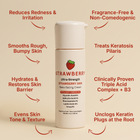
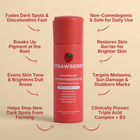
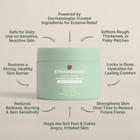
This is where TryStrawberry's Advanced Triple-Acid Complex for Keratosis Pilaris fits into a more complete skincare routine.
Instead of focusing only on hydration, its multi-acid formulation is designed to:
- gently exfoliate dead skin buildup
- help reduce follicular congestion
- smooth rough skin texture
- support healthier-looking skin over time
Rather than treating only one symptom, this multi-active approach aligns with what many modern skincare routines now recommend for:
- strawberry skin treatment
- kp treatment
- keratosis pilaris treatment
- best treatment for keratosis pilaris
When combined with consistent moisturizing and healthy shaving habits, it can become part of a well-rounded routine focused on long-term skin improvement.
Myth vs. Fact
Myth: Strawberry skin means your skin is unhealthy.
Fact: Most cases are caused by clogged follicles, keratin buildup, or genetics—not poor skin health.
Myth: Scrubbing harder will remove strawberry skin.
Fact: Over-scrubbing often damages the skin barrier and makes irritation worse.
Myth: Only people with poor hygiene get strawberry skin.
Fact: Strawberry skin affects people with excellent hygiene as well.
Myth: Moisturizer alone can cure KP.
Fact: Moisturizer helps hydrate the skin, but exfoliation is also important for managing follicular buildup.
Myth: Strawberry skin is dangerous.
Fact: It is usually a harmless cosmetic concern.
Common Mistakes That Can Affect Skin Health
Using Harsh Scrubs Daily
Too much friction can worsen irritation.
Ignoring Dry Skin
Hydration is essential for maintaining a healthy barrier.
Skipping Sunscreen
Sun exposure may worsen post-inflammatory pigmentation after irritation.
Expecting Instant Results
Healthy skin improvements take time and consistency.
FAQs
Is strawberry skin a sign of poor skin health?
No. In most cases, strawberry skin is caused by clogged follicles, keratin buildup, or shaving habits rather than unhealthy skin.
Can healthy people have strawberry skin?
Yes. Many people with excellent skincare routines still experience strawberry skin because of genetics or keratosis pilaris.
Does moisturizing cure strawberry skin?
Moisturizer improves hydration but does not remove follicular buildup. Combining hydration with exfoliation is usually more effective.
Can keratosis pilaris make skin look unhealthy?
KP may affect skin texture, but it is a common and harmless condition that doesn't necessarily indicate poor skin health.
What is the best treatment for strawberry skin?
The best approach typically combines:
-
- gentle exfoliation
- daily hydration
- barrier support
- consistent skincare habits
Can strawberry skin go away permanently?
It can improve significantly with consistent care, although maintenance is often needed, especially when keratosis pilaris is involved.
Final Thoughts
If you've been worrying that strawberry skin means your skin is unhealthy, you can be reassured that this usually isn't the case.
Strawberry skin is incredibly common and is most often linked to natural skin processes like follicular buildup, keratin accumulation, shaving, or genetics—not poor hygiene or neglect.
Rather than trying to "scrub it away," focus on supporting your skin with:
- gentle cleansing
- regular exfoliation
- daily hydration
- barrier repair
- patience and consistency
Healthy skin isn't about being perfectly smooth or completely poreless.
It's about giving your skin the care it needs to function at its best—and with the right routine, smoother, healthier-looking skin is an achievable goal.