

Let's be real — if you have a deeper skin tone, you already know how quickly one tiny breakout can turn into a lingering dark spot. Hyperpigmentation is one of the most common skin concerns for people of color, and while it's harmless, it can feel so frustrating.
The key? Understanding how hyperpigmentation works in melanin-rich skin, why it sometimes behaves differently, and what ingredients and routines actually help. Today, we're breaking down everything you need to know about hyperpigmentation in dark skin — with a focus on safe, gentle, and effective care.
New here? Start with our Ultimate Guide to Hyperpigmentation for the big picture.
Why Hyperpigmentation Shows Up Differently in Darker Skin
If you've got medium to deep skin (Fitzpatrick types IV–VI), your melanocytes — those pigment-making cells — are naturally more active. This is amazing for sun protection, but it also means:
- PIH (post-inflammatory hyperpigmentation) is more common and more noticeable.
- Dark spots tend to last longer.
- Melasma and drug-induced pigmentation may show up more intensely.
- Aggressive treatments (like harsh peels or lasers) can sometimes worsen pigmentation instead of helping.

Common Causes in Darker Skin
- Acne & ingrown hairs → often leave behind PIH.
- Eczema or dermatitis → flares heal with lingering spots.
- Hormonal changes → melasma is common during pregnancy or with birth control.
- Unprotected sun exposure → yes, even darker skin needs SPF.
- Aggressive skincare → over-exfoliation or bleaching creams can damage the barrier and worsen spots.
Best Ingredients for Treating Dark Spots
When it comes to the best products for Black skin dark spots, gentle and consistent is the way to go. Look for:
- Niacinamide (4–5%) → barrier support + gradual brightening.
- Azelaic acid (10–15%) → pregnancy-safe, great for acne-prone dark skin.
- Tranexamic acid (2–5%) → newer, but highly effective for stubborn dark spots.
- Alpha-arbutin (1–2%) → gentle plant-based brightener.
- Vitamin C (derivatives like magnesium ascorbyl phosphate) → protects + brightens without irritation.
- Mandelic or lactic acid → mild exfoliation that works well on deeper tones.
For more details, peek at our section on Topical Ingredients for Hyperpigmentation.
Products & Practices to Avoid
Some things sound like shortcuts but actually backfire on melanin-rich skin:
- Harsh scrubs → can scratch skin and worsen PIH.
- DIY lemon juice or strong acids → way too irritating.
- Unregulated bleaching creams (with high-strength hydroquinone or steroids) → can thin the skin and cause ochronosis (a bluish discoloration).
- Overdoing exfoliation → stripping the barrier = more spots.
A Gentle Routine for Darker Skin
Here's a safe, effective routine for fading spots without causing new ones:
Morning
- Cleanser → Gentle, non-stripping.
- Antioxidant serum → Vitamin C or green tea extract.
- Brightening serum → Niacinamide or azelaic acid.
- Moisturizer → Hydrating, with ceramides or shea butter.
- Sunscreen → Broad-spectrum SPF 30+ (look for invisible finishes or tinted mineral SPF that blends well on dark skin).
Evening
- Cleanser → Hydrating wash.
- Treatment serum → Tranexamic acid, alpha-arbutin, or azelaic acid.
- Moisturizer → Barrier-supportive cream.
- Optional (2–3x/week) → Mild exfoliation with mandelic or lactic acid.
Cultural Notes
For many Black and brown communities, skin-lightening has historically been marketed in harmful ways. When we talk about treating hyperpigmentation here, it's not about changing your skin tone — it's about evening tone, protecting your barrier, and keeping skin healthy. Your melanin is beautiful, and the goal is simply to help you feel confident and comfortable in your skin.
When to See a Derm
If spots keep getting darker, spreading, or aren't improving after 6 months of consistent care, a dermatologist can help. Ask about:
- Prescription creams (like hydroquinone, used carefully under supervision).
- Chemical peels safe for darker skin (like glycolic or salicylic, done professionally).
- Microneedling or certain lasers (only with derms who specialize in treating melanin-rich skin).
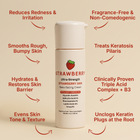
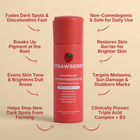
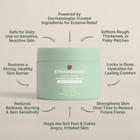
Strawberry's dermatologist-tested, fragrance-free formula is designed to support barrier repair, smooth texture, and gently even tone — perfect for melanin-rich skin.

Final Thought
Hyperpigmentation in dark skin can be stubborn, but with the right gentle ingredients, consistent sunscreen, and barrier-first care, you can fade those spots and keep new ones from forming.
Want to go deeper? Explore our Ultimate Guide to Hyperpigmentation.
Dermatologist-tested • Gentle for all skin tones • Science-backed ingredients
Disclaimer: This article is informational only and not medical advice. Always consult with a qualified healthcare provider for concerns about hyperpigmentation or skin health.