


You know those stubborn dark patches that seem to show up right when life is already giving you enough to deal with? Like you start birth control, or you're pregnant, or your hormones are just doing their rollercoaster thing — and boom, you've suddenly got new pigmentation hanging out on your face. Yep, that's not a coincidence. Your skin and your hormones are way more connected than most of us realize.
Today, we're breaking it down: what hormonal hyperpigmentation really is, why birth control sometimes triggers it, and what you can actually do about it.
First Things First: What Is Hormonal Hyperpigmentation?
Picture this: your skin has little "factories" inside it called melanocytes. Their job is to make pigment, which is what gives your skin its color. Normally, they just do their thing quietly in the background. But when your hormones — especially estrogen and progesterone — rise or fluctuate, those factories get the signal to work overtime. The result? Extra pigment in certain areas, showing up as dark patches or uneven tone.
This type of hyperpigmentation is usually called melasma when it's hormone-related. It's super common, totally normal, and not dangerous — but it can definitely mess with your confidence. The classic signs? Symmetrical patches (think both cheeks, forehead, or above your lip) that are brown or grayish, and they often get worse in the sun.
Want the full big-picture breakdown? Head over to our Ultimate Guide to Hyperpigmentation.

Birth Control & Hyperpigmentation: What's Really Happening
Here's where it gets interesting. Birth control is amazing for so many reasons, but like every hormone-influencing medication, it can have side effects. One of them? Birth control hyperpigmentation — sometimes called pill-induced melasma.
Here's the science but in plain English: oral contraceptives (and sometimes patches or IUDs that release hormones) raise your estrogen and progesterone levels. Remember those pigment factories? They've got little receptors for those hormones, so when levels go up, the factories clock in for overtime. That's when the patches start forming.
Curious how other meds affect pigment too? Check out our section on Drug-Induced Hyperpigmentation.
Other Hormonal Triggers You Should Know
It's not just the pill. Hormonal hyperpigmentation can sneak in during different phases of life:
- Pregnancy: Ever heard of the "mask of pregnancy"? That's melasma triggered by super high hormone levels. For many people, it fades after birth, but not always.
- Hormone replacement therapy: Menopause can come with its own hormonal skin drama.
- Cycle changes: Some people notice their pigment looks darker at certain points of their monthly cycle — usually temporary, but still noticeable.
- Genetics & skin type: If your mom or aunt had melasma, you might be more prone. And darker Fitzpatrick skin types (IV–VI) often see pigmentation more intensely.
Want to really understand melasma on its own? Peek at our Melasma guide.
How To Tell If Your Pigmentation Is Hormonal
So how do you know if these patches are from hormones and not just leftover acne marks or sun spots? A few little clues:
- Pattern: Hormonal hyperpigmentation almost always shows up symmetrically (like both cheeks, both sides of your forehead).
- Timing: It starts or worsens after hormonal changes — new birth control, pregnancy, menopause.
- Sensitivity to sun: Even a quick walk outside without SPF can make them look darker.
Daily Skincare: What Actually Helps
Let's get to the part you've been waiting for: what can you do about it? The truth is, there's no instant magic eraser for hormonal hyperpigmentation. But with consistent care, you can absolutely calm it down and keep it from getting worse.
Your Morning Routine
- Start with a gentle, non-stripping cleanser — you don't want to irritate your skin.
- If you love serums, an antioxidant like vitamin C (a gentle derivative, not the super harsh ones) can help protect against daily stressors.
- Add a brightening product — azelaic acid, niacinamide, or tranexamic acid are all safe, effective, and not too irritating.
- Lock it in with moisturizer, then never skip sunscreen. A broad-spectrum SPF 30+ is literally the #1 most important step.
Your Evening Routine
- Cleanse away the day — makeup, sweat, SPF, all of it.
- Use another brightening agent: alpha-arbutin, azelaic acid, or a lightweight vitamin C derivative are great choices.
- Moisturize with something barrier-friendly (ceramides, shea butter, or a good old basic cream).
Weekly Add-Ons for Glow
Consistency is queen, but adding little extras can help too:
- Gentle exfoliation 1–2 times per week with lactic acid or low-strength glycolic acid. This helps shed old cells so brighteners can work better.
- A soothing brightening mask — ingredients like licorice root or niacinamide are fab.
Lifestyle Moves That Make a Difference
Beyond your skincare lineup, a few simple habits can keep hormonal pigmentation calmer:
- Sun protection is everything. Wide-brim hats, sunglasses, and seeking shade are your allies.
- Track your triggers. Noticing flare-ups during certain times of your cycle? Or after vacations? Write it down — patterns can help you stay ahead of it.
- Be gentle. Harsh scrubs or picking at skin will only make pigmentation worse.
- Pregnancy & breastfeeding caution: Skip retinoids and high-strength bleaching agents like hydroquinone unless your doctor specifically clears them.
When Skincare Alone Isn't Enough
Here's the real talk: sometimes, over-the-counter care won't fully erase hormonal pigmentation. That doesn't mean you're doing anything wrong — these patches are just stubborn by nature.
Dermatologists can offer options like chemical peels, lasers, or prescription creams if you're open to professional help. And if your pigmentation is linked to your birth control, you can also chat with your doctor about non-hormonal alternatives.
Red Flags to Watch For
While melasma and hormonal pigmentation are harmless, you should pause and check in with a derm if:
- The pigmentation is spreading super fast.
- It comes with pain, itching, or bleeding (that's not melasma).
- Nothing changes after 3–6 months of consistent SPF and care.
Patience, Tracking, and Realistic Goals
The hardest part? This takes time. Think in months, not weeks. Most people see gradual improvement after 3–6 months of consistent SPF + brighteners. Take photos in natural light once a month to track progress — it's way easier than trying to remember in your head.
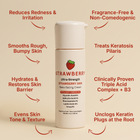
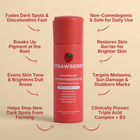
At Strawberry, we're all about supporting your skin through hormonal changes with gentle, science-backed formulas designed to brighten and strengthen.

Final Takeaway
Hormonal hyperpigmentation is super common, especially with birth control, pregnancy, or hormone therapy. It shows up as symmetric dark patches, usually on your face, and while it can be stubborn, it's not untouchable. Daily SPF, gentle brighteners, and patience are your best tools.
Dermatologist-tested • Gentle for hormonal skin • Science-backed ingredients
Disclaimer: This article is for informational purposes only and not medical advice. Always consult with a qualified healthcare provider for concerns about hormonal changes or hyperpigmentation.