

If you've ever shaved your legs only to notice tiny dark dots, red bumps, or rough patches a few days later, you've probably wondered:
"Are these ingrown hairs, or do I have strawberry legs?"
It's a common question—and for good reason.
Both ingrown hairs and strawberry legs can make your skin look dotted, uneven, and rough. At first glance, they often appear almost identical, leading many people to confuse one with the other.
But here's the truth:
Yes, ingrown hairs can contribute to the appearance of strawberry legs—but they aren't always the main cause.
In many cases, strawberry legs are the result of multiple factors working together, including:
- clogged hair follicles
- keratin buildup
- shaving irritation
- dry skin
- keratosis pilaris (KP)
- ingrown hairs
Understanding how these conditions overlap is the key to choosing the right treatment.
In this guide, you'll learn:
- What are ingrown hairs
- How they contribute to strawberry legs
- The difference between strawberry legs and ingrown hairs
- How to prevent both conditions
- The best ingredients for smoother skin
- When to seek professional care
Quick Answer
Yes, ingrown hairs can cause or worsen the appearance of strawberry legs. When hair becomes trapped beneath the skin, it can create inflammation, dark spots, and bumps that resemble strawberry skin. However, strawberry legs are often caused by a combination of clogged follicles, keratin buildup, dry skin, and shaving habits—not ingrown hairs alone.
Key Takeaways
- Ingrown hairs can contribute to strawberry legs.
- Not every case of strawberry skin is caused by ingrown hairs.
- Keratosis pilaris often overlaps with strawberry legs.
- Proper shaving techniques reduce ingrown hairs.
- Chemical exfoliation is generally more effective than aggressive scrubbing.
- A combination of exfoliation and hydration delivers the best long-term results.

What Are Strawberry Legs?
Strawberry legs refer to the appearance of tiny dark dots scattered across the legs, giving the skin a look similar to the seeds on a strawberry.
The dots usually represent:
- visible hair follicles
- clogged pores
- oxidized oil
- trapped dead skin
- keratin buildup
Many people also experience:
- rough texture
- uneven skin tone
- visible pores
- small bumps
Strawberry legs are extremely common and usually harmless.
What Is an Ingrown Hair?
An ingrown hair develops when a hair curls or grows back into the skin instead of growing outward.
Instead of emerging normally, the hair becomes trapped beneath the surface.
Your body reacts by creating inflammation around the follicle.
This can lead to:
- small bumps
- redness
- tenderness
- itching
- dark marks after healing
Ingrown hairs most commonly occur after:
- shaving
- waxing
- epilating
They are especially common in people with:
- curly hair
- coarse hair
- thick hair
How Do Ingrown Hairs Form?
Every hair grows inside a follicle.
Normally, the hair grows upward and exits the skin.
However, after shaving:
- The hair is cut at an angle
- The tip becomes sharper
- It may curl back into the skin
When this happens:
- The follicle becomes irritated
- inflammation develops
- a bump forms
This bump may later leave behind pigmentation that resembles strawberry legs.
Can Ingrown Hairs Cause Strawberry Legs?
Yes—but they're usually only part of the picture.
Many people believe every dark dot on their legs is an ingrown hair.
In reality, strawberry legs often involve several different issues occurring at the same time.
For example:
- clogged follicles
- keratin plugs
- shaving irritation
- visible pores
- dry skin
Ingrown hairs simply make these changes more noticeable.

Why Ingrown Hairs Make Strawberry Legs Look Worse
1. They Cause Inflammation
When the skin reacts to a trapped hair, inflammation develops around the follicle.
Inflamed follicles often appear:
-
- darker
- larger
- redder
This increases the dotted appearance.
2. They Leave Behind Dark Marks
After an ingrown hair heals, some people develop post-inflammatory hyperpigmentation.
This creates:
-
- brown spots
- dark dots
- lingering discoloration
These marks may remain long after the ingrown hair disappears.
3. They Increase Follicle Visibility
Inflamed follicles become easier to see.
This contributes to the classic appearance of strawberry legs.
Strawberry Legs vs Ingrown Hairs
Although they often occur together, they're not the same thing.
|
Strawberry Legs |
Ingrown Hairs |
|
Many small dark dots |
Individual inflamed bumps |
|
Usually widespread |
Usually isolated |
|
Often painless |
Can be painful or itchy |
|
May involve clogged follicles |
Hair trapped beneath skin |
|
Common after shaving |
Often develops after shaving or waxing |
Many people experience both conditions at the same time.
What Else Causes Strawberry Legs?
Ingrown hairs aren't the only cause.
Several other factors contribute.
Keratosis Pilaris
One of the most common causes.
KP develops when keratin blocks hair follicles.
This creates:
- rough texture
- chicken skin
- tiny bumps
- visible follicles
Many people with KP also experience strawberry legs.
Clogged Hair Follicles
Dead skin, oil, and debris accumulate inside follicles.
Over time, they oxidize and become darker.
Dry Skin
Dry skin exaggerates texture and makes follicles appear larger.
Shaving Irritation
Using dull razors or shaving without lubrication increases inflammation around follicles.
Genetics
Some people naturally have:
- larger follicles
- darker hair
- thicker hair shafts
making follicles easier to see.
Are Ingrown Hairs More Common in Certain People?
Yes.
You're more likely to develop ingrown hairs if you have:
- curly hair
- coarse hair
- thick body hair
- sensitive skin
Frequent shaving also increases risk.
Signs You Have Ingrown Hairs Instead of Strawberry Legs
You may be dealing primarily with ingrown hairs if you notice:
- painful bumps
- visible trapped hairs
- itching
- tenderness
- isolated inflamed follicles
Strawberry legs usually affect much larger areas evenly.
How to Prevent Ingrown Hairs
Fortunately, there are several ways to reduce their occurrence.
Exfoliate Regularly
Gentle exfoliation removes:
- dead skin
- follicular buildup
- keratin plugs
This helps hairs grow outward instead of becoming trapped.
Use a Sharp Razor
Old blades pull at the hair instead of cutting cleanly.
Replace razors regularly.
Shave After Warm Water
Warm water softens:
- hair
- skin
making shaving less traumatic.
Use Shaving Cream
Never dry shave.
Lubrication reduces friction and irritation.
Moisturize After Shaving
Hydrated skin heals more efficiently and supports a healthier skin barrier.
Best Ingredients for Strawberry Legs & Ingrown Hairs
Salicylic Acid
One of the most effective ingredients for:
-
- clogged follicles
- ingrown hairs
- strawberry legs
Because it's oil-soluble, it penetrates inside follicles to help dissolve buildup.
Lactic Acid
Excellent for:
-
- rough texture
- keratosis pilaris
- dry skin
It exfoliates while improving hydration.
Glycolic Acid
Helps improve:
-
- skin turnover
- texture
- uneven tone
Urea
Supports:
-
- hydration
- softening keratin buildup
- smoother skin
Why Body Scrubs Aren't Always the Best Solution
Many people reach for:
- sugar scrubs
- coffee scrubs
- exfoliating gloves
While these remove surface dead skin, aggressive scrubbing may:
- irritate follicles
- worsen inflammation
- increase redness
Gentle chemical exfoliation is often more effective for addressing follicular buildup.
A Smarter, Multi-Active Approach to Treating Strawberry Legs & KP
When strawberry legs are linked to ingrown hairs, keratin buildup, and clogged follicles, using just one product often isn't enough.
Modern skincare routines increasingly combine:
- exfoliation
- hydration
- barrier support
to target multiple causes at once.
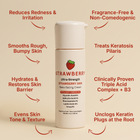
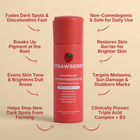
This is where TryStrawberry's Advanced Triple-Acid Complex for Keratosis Pilaris offers a more comprehensive approach.
Its multi-acid formulation is designed to help:
- gently exfoliate dead skin
- improve rough texture
- reduce follicular buildup
- support smoother-looking skin over time
Instead of relying only on body scrubs or basic moisturizers, this type of routine aligns with what many skincare professionals recommend for improving:
- strawberry skin
- strawberry legs
- keratosis pilaris
- rough, bumpy skin
Step-by-Step Routine to Prevent Ingrown Hairs & Strawberry Legs
A consistent skincare routine is one of the most effective ways to reduce both ingrown hairs and the appearance of strawberry legs. Rather than relying on a single product, the goal is to support healthy skin while minimizing follicular buildup.
Step 1: Start with a Gentle Cleanser
Your shower routine lays the foundation for healthy skin.
Choose a gentle body wash that cleanses without stripping away natural oils.
Look for cleansers that:
-
- Support the skin barrier
- Are suitable for sensitive skin
- Don't leave your skin feeling tight or dry
Avoid harsh soaps that can dry out your skin and make the rough texture more noticeable.
Step 2: Exfoliate 2–4 Times Per Week
One of the biggest causes of ingrown hairs is dead skin blocking the hair follicle.
Regular exfoliation helps:
-
- Remove dead skin cells
- Reduce follicular buildup
- Allow hairs to grow outward instead of becoming trapped
Rather than scrubbing aggressively, choose chemical exfoliants containing ingredients such as:
-
- Salicylic Acid
- Lactic Acid
- Glycolic Acid
These ingredients work gradually while being gentler on the skin than harsh physical scrubs.
Step 3: Moisturize Daily
Hydration is often overlooked but plays a major role in keeping skin smooth.
Using a quality:
-
- keratosis pilaris moisturizer
- keratosis pilaris lotion
- moisturizer for KP
helps:
-
- Improve skin barrier function
- Reduce roughness
- Keep follicles from becoming excessively dry
Look for ingredients such as:
-
- Ceramides
- Urea
- Glycerin
Step 4: Improve Your Shaving Technique
Many cases of strawberry legs begin with poor shaving habits.
Before shaving:
✔ Soften hair with warm water
✔ Apply shaving cream or gel
During shaving:
✔ Use a sharp razor
✔ Shave gently
✔ Avoid pressing too hard
After shaving:
✔ Rinse with cool water
✔ Apply moisturizer immediately
Step 5: Give Your Skin Time
One of the biggest mistakes people make is expecting overnight improvement.
Hair follicles and skin turnover need time.
Consistency almost always outperforms aggressive treatment.
Can You Prevent Ingrown Hairs Completely?
Not always.
Some people are naturally more prone because of:
- curly hair
- coarse hair
- genetics
However, you can significantly reduce the frequency by:
- exfoliating regularly
- moisturizing daily
- improving shaving habits
- avoiding excessive friction
Can Ingrown Hairs Turn Into Dark Spots?
Yes.
When inflammation heals, it may leave behind:
- brown marks
- darker pigmentation
- post-inflammatory hyperpigmentation
These dark marks often resemble strawberry skin, even after the ingrown hair has disappeared.
This is one reason many people believe their strawberry legs are getting worse when they're actually seeing leftover pigmentation.
Can Keratosis Pilaris and Ingrown Hairs Occur Together?
Absolutely.
Many people experience:
- keratosis pilaris
- strawberry skin
- ingrown hairs
at the same time.
For example:
- KP creates rough bumps.
- Shaving irritates follicles.
- Ingrown hairs develop.
- Dark marks remain.
Together, they produce the classic appearance of strawberry legs.
Why Moisturizer Alone Won't Prevent Ingrown Hairs
Many people rely only on body lotion.
While hydration is important, moisturizer alone doesn't:
- remove dead skin
- clear follicles
- reduce keratin buildup
This is why combining hydration with exfoliation usually provides much better results.
A Smarter, Multi-Active Approach to Treating Strawberry Legs & KP
Healthy-looking skin is rarely the result of one miracle product.
Instead, modern skincare routines focus on addressing several contributing factors simultaneously:
- follicular buildup
- keratin accumulation
- rough texture
- skin hydration
This approach is particularly helpful if you're dealing with:
- strawberry skin
- strawberry legs
- keratosis pilaris
- chicken skin on legs
- ingrown hairs
This is where TryStrawberry's Advanced Triple-Acid Complex for Keratosis Pilaris fits into a more complete skincare routine.
Instead of relying on harsh scrubs or basic moisturizers alone, its multi-acid formulation is designed to:
- gently exfoliate dead skin
- improve rough texture
- help reduce follicular buildup
- support smoother, healthier-looking skin over time
When combined with consistent hydration and proper shaving habits, it becomes part of a balanced routine for improving:
- strawberry skin treatment
- kp treatment
- best treatment for keratosis pilaris
- strawberry legs treatment
Don't Let Ingrown Hairs Turn Into Strawberry Legs
If shaving leaves behind dark dots, rough texture, or stubborn bumps, it may be time to upgrade your skincare routine—not scrub harder.
The Advanced Triple-Acid Complex for Keratosis Pilaris is designed to gently exfoliate, reduce follicular buildup, and improve the appearance of strawberry legs and rough skin with consistent use.
Shop Advanced Triple-Acid ComplexA smarter routine for smoother-looking skin and fewer visible bumps.
Myth vs. Fact
Myth: Every dark dot on your legs is an ingrown hair.
Fact: Many dark dots are actually clogged follicles or keratin buildup associated with strawberry skin.
Myth: Scrubbing harder prevents ingrown hairs.
Fact: Aggressive scrubbing can irritate follicles and worsen inflammation.
Myth: Ingrown hairs only happen to people with poor hygiene.
Fact: Hair type, shaving habits, and genetics are much more important factors.
Myth: Moisturizer alone prevents strawberry legs.
Fact: Moisturizing supports skin health, but exfoliation is also essential for reducing follicular buildup.
Myth: Strawberry legs are permanent.
Fact: With a consistent routine, many people see significant improvements over time.
Common Mistakes to Avoid
Dry Shaving
Always use shaving cream or gel.
Using Dull Razors
Replace blades regularly to minimize irritation.
Over-Exfoliating
More isn't always better. Stick to 2–4 sessions per week.
Picking Ingrown Hairs
Picking can increase inflammation, infection risk, and dark marks.
Skipping Moisturizer
Hydrated skin supports better healing and smoother texture.
FAQs
Can ingrown hairs cause strawberry legs?
Yes. Ingrown hairs can create inflammation and dark marks that contribute to the appearance of strawberry legs.
What's the difference between strawberry legs and ingrown hairs?
Strawberry legs are usually widespread with many visible follicles, while ingrown hairs are individual inflamed bumps caused by trapped hairs.
Can shaving make strawberry legs worse?
Yes. Poor shaving techniques can irritate follicles, increase ingrown hairs, and make dark dots more noticeable.
What is the best treatment for strawberry legs?
A combination of gentle exfoliation, daily hydration, proper shaving techniques, and consistent skincare typically produces the best results.
How long does it take to improve strawberry legs?
Most people begin noticing smoother skin within 4–8 weeks, with continued improvement over several months of consistent care.
Can keratosis pilaris cause strawberry legs?
Yes. Keratosis pilaris often overlaps with strawberry legs because both involve hair follicles and rough skin texture.
Final Thoughts
Ingrown hairs can absolutely contribute to the appearance of strawberry legs, but they're rarely the only cause.
Most people are dealing with a combination of:
- clogged follicles
- keratin buildup
- dry skin
- shaving irritation
- and sometimes keratosis pilaris
The key isn't to scrub harder or use more products.
Instead, focus on building a routine that combines:
- gentle exfoliation
- daily hydration
- proper shaving habits
- barrier support
- consistency
With the right approach, you can reduce the appearance of dark dots, improve skin texture, and enjoy smoother, healthier-looking legs over time.