

If you have strawberry skin, chances are you've been told to exfoliate.
And for many people, that advice leads straight to body scrubs.
After all, it seems logical:
- Rough skin = scrub it off
- Dark dots = exfoliate harder
- Bumps = use a stronger scrub
But what if your body scrub is actually making your skin worse?
This is one of the biggest misconceptions surrounding strawberry skin treatment.

While exfoliation can absolutely help improve skin texture, the wrong type of exfoliation can:
- increase irritation
- worsen redness
- damage the skin barrier
- make bumps more noticeable
The truth is that not all exfoliation is created equal.
In this guide, we'll explain:
- What causes strawberry skin
- Whether body scrubs help or hurt
- When scrubs can make strawberry skin worse
- What dermatology-inspired routines recommend instead
- How to build a more effective routine for smoother skin
Key Takeaways
- Body scrubs can help remove surface dead skin but often don't address the root cause of strawberry skin
- Aggressive scrubbing may worsen irritation and inflammation
- Most cases of strawberry skin involve clogged follicles and keratin buildup
- Chemical exfoliation is often more effective than physical scrubs
- Over-exfoliation can damage the skin barrier
- The best routines combine exfoliation, hydration, and barrier support
What Causes Strawberry Skin?
Many people assume strawberry skin is simply dead skin buildup.
In reality, it's often a combination of:
- clogged hair follicles
- oxidized oil trapped inside pores
- keratin buildup
- ingrown hairs
- shaving irritation
- dry skin
Many people also have:
👉 Keratosis Pilaris (KP)
A condition where excess keratin blocks follicles, leading to:
- bumpy skin on arms
- chicken skin on legs
- rough patches
Because follicular buildup plays a major role, simply scrubbing the surface doesn't always solve the problem.

Why People Reach for Body Scrubs
Body scrubs feel satisfying.
Immediately after use, skin often feels:
- smoother
- softer
- cleaner
This creates the impression that the scrub is working.
And to some extent, it is.
Body scrubs help remove loose surface dead skin.
The problem is that strawberry skin often starts deeper than the surface.
What Body Scrubs Actually Do
Physical scrubs work through friction.
Common examples include:
- sugar scrubs
- salt scrubs
- coffee scrubs
- exfoliating gloves
- loofahs
They physically remove dead skin cells sitting on the surface.
This can temporarily improve:
- roughness
- dullness
- surface texture
However, they do not necessarily:
- clear clogged follicles
- dissolve keratin buildup
- address pore congestion
Can Body Scrubs Make Strawberry Skin Worse?
Yes — in some cases they absolutely can.
This usually happens when scrubbing becomes too aggressive.
Problem #1: Irritation
When you scrub too hard, the skin responds with inflammation.
This can lead to:
- redness
- sensitivity
- increased roughness
Ironically, the skin may end up looking worse than before.
Problem #2: Skin Barrier Damage
Your skin barrier helps:
- retain moisture
- protect against irritation
- maintain healthy texture
Aggressive scrubbing can compromise this barrier.
When that happens:
- dryness increases
- irritation becomes more visible
- skin feels rougher
Problem #3: Increased Visibility of Bumps
Many people notice:
"I scrubbed my skin and now the bumps seem more obvious."
This happens because inflamed follicles become more noticeable after irritation.
Problem #4: Shaving + Scrubbing Combination
People with strawberry legs often:
- Scrub aggressively
- Shave immediately afterward
This combination can:
- increase follicular irritation
- worsen ingrown hairs
- make pores appear darker

Why Strawberry Skin Isn't Just a Surface Problem
This is where most routines fail.
Strawberry skin often involves:
Follicular Buildup
Inside follicles:
- keratin accumulates
- oil becomes trapped
- dead skin collects
This creates:
- bumps
- dots
- rough texture
Because the issue starts inside the follicle, surface scrubbing alone rarely solves it.
Physical Exfoliation vs Chemical Exfoliation
Understanding this difference is crucial.
Physical Exfoliation
Examples:
- body scrubs
- brushes
- exfoliating gloves
Works by:
- physically removing dead skin
Chemical Exfoliation
Examples:
- salicylic acid
- lactic acid
- glycolic acid
Works by:
- loosening dead skin cells
- improving skin turnover
- helping clear follicles
This is why many dermatology-inspired routines prioritize chemical exfoliation for keratosis pilaris treatment and strawberry skin treatment.
When Body Scrubs Can Be Helpful
This doesn't mean all scrubs are bad.
Gentle scrubs can help:
Improve Surface Texture
Removing loose dead skin may temporarily smooth rough areas.
Enhance Product Absorption
By reducing surface buildup, moisturizers may penetrate more effectively.
Support Overall Skin Smoothness
When used sparingly and gently.
The key word is:
👉 Moderation.
Signs You're Over-Scrubbing
Watch for:
- redness
- stinging
- burning
- excessive dryness
- increased sensitivity
If these occur, your exfoliation routine is likely too aggressive.
What Works Better Than Aggressive Scrubbing?
Modern skincare typically focuses on:
Controlled Exfoliation
Instead of aggressive friction.
Hydration
Using a:
-
- keratosis pilaris moisturizer
- keratosis pilaris moisturiser
- moisturizer for KP
helps maintain barrier health.
Barrier Support
Healthy skin recovers faster and appears smoother.

Best Ingredients for Strawberry Skin
Salicylic Acid
Best for:
- clogged follicles
- dark dots
- strawberry legs treatment
It penetrates into pores and helps dissolve buildup.
Lactic Acid
Best for:
- rough texture
- keratosis pilaris treatment
- chicken skin treatment
It exfoliates while also providing hydration.
Glycolic Acid
Best for:
- uneven texture
- stubborn roughness
It supports skin turnover and smoother-looking skin.
A More Effective Approach to Strawberry Skin & KP
As skincare evolves, more experts are moving away from harsh scrubbing and toward multi-active routines that address multiple causes of skin texture concerns simultaneously.
This approach is particularly effective for:
- strawberry skin
- keratosis pilaris
- chicken skin on arms
- chicken skin on legs
because these conditions involve more than just surface dryness.
A Smarter, Multi-Active Approach to Treating Strawberry Skin & KP
This is where TryStrawberry fits into a more advanced skincare routine.
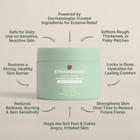
Rather than relying solely on physical scrubs, TryStrawberry focuses on combining exfoliation with skin-supportive care.
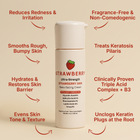
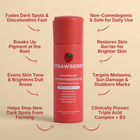
Its Advanced Triple-Acid Complex for Keratosis Pilaris is formulated to combine multiple exfoliating acids that help:
- improve rough texture
- support smoother skin
- reduce follicular buildup over time
This type of multi-acid approach aligns with what many modern skincare routines prioritize for:
- KP treatment
- strawberry skin treatment
- best treatment for keratosis pilaris
Instead of aggressively scrubbing the skin, the goal becomes improving texture gradually and consistently.
👉 Learn more: https://trystrawberry.com/products/strawberry-advanced-triple-acid-complex-qty

What an Effective Strawberry Skin Routine Looks Like
Step 1: Gentle Cleanser
Avoid stripping the skin.
Step 2: Controlled Exfoliation
Use exfoliating acids:
-
- 2–4 times per week
Avoid excessive scrubbing.
Step 3: Daily Moisturizer
Support hydration and barrier function.
Step 4: Smart Shaving Habits
-
- Use sharp razors
- Avoid dry shaving
- Moisturize afterward
Step 5: Stay Consistent
Results take time.
How Long Does It Take to Improve Strawberry Skin?
Weeks 1–2
-
- softer skin
- less dryness
Weeks 4–8
-
- smoother texture
- fewer bumps
Weeks 8–12
-
- noticeable improvement in overall appearance
Common Mistakes to Avoid
Scrubbing Too Hard
More pressure does not equal better results.
Exfoliating Daily
Too much exfoliation damages the barrier.
Ignoring Moisturizer
Hydration remains essential.
Chasing Instant Results
Skin turnover takes time.
FAQs
Can body scrubs make strawberry skin worse?
Yes. Aggressive scrubbing can increase irritation, redness, and barrier damage.
Should I stop using body scrubs completely?
Not necessarily. Gentle use may help, but overuse should be avoided.
What is better than a body scrub for strawberry skin?
Chemical exfoliants like salicylic acid and lactic acid are often more effective.
What causes chicken skin on arms?
Usually keratin buildup inside follicles, known as keratosis pilaris.
What is the best treatment for keratosis pilaris?
A combination of:
-
- exfoliation
- hydration
- barrier support
How often should I exfoliate strawberry skin?
Typically:
-
- 2–4 times weekly
depending on skin sensitivity.
Final Thoughts
Body scrubs aren't inherently bad.
But they're often overused.
And when it comes to strawberry skin, aggressive scrubbing can sometimes make the problem worse rather than better.
The most effective routines focus on:
- gentle exfoliation
- hydration
- barrier support
- consistency
Because smoother skin doesn't come from scrubbing harder.
👉 It comes from treating the underlying causes more effectively