Those patches on your cheeks aren’t ordinary dark spots


The patches many mistake for ordinary dark spots.

You’ve tried vitamin C. You wear sunscreen. But the patches on your cheeks or upper lip are still there.
You may have been treating them like ordinary dark spots. What if they’re something else?
Keep reading
These are not dark spots. They are Melasma


Melasma is a type of hyperpigmentation that shows up as uneven brown patches across the cheeks, forehead or upper lip.
It happens when skin makes too much melanin, often triggered by hormones and darkened by sun.
Sunscreen matters, but sunscreen and vitamin C alone may not clear the patches you already have.
Why Melasma even shows up in the first place


PCOS, perimenopause, or starting hormonal birth control can change the picture. If the patches appeared around a shift in your hormones, that timing matters.
Melasma is common enough during pregnancy to have a name: the “mask of pregnancy.” It often shows up across the cheeks, forehead or upper lip.
Sunlight can make the pigment darker and the patches more noticeable, especially after a summer outdoors.
If melasma runs in your family, you may be more prone to developing it yourself.
Why sunscreen and Vitamin C won’t clear your Melasma

✓ Sunscreen is essential. It stops sunlight darkening your melasma, but it won’t erase the patches already there.
✗ Vitamin C only brightens. It can’t reach the reason your skin keeps making the pigment.
Keep the sunscreen. What you need is something that treats the pigment underneath it.
Hydroquinone helps but leaves your skin really dry. Stop, and the patches return.


Hydroquinone can fade melasma. But the fast result comes with a trade-off that’s hard to ignore.
✗ It’s prescription-only. You need a clinician to prescribe it and guide you on how long to use it.
✗ It can be harsh on your skin. Dryness and irritation can make the routine difficult to stick with.
✗ Melasma can return when you stop. Even after the patches fade, they can darken again once treatment ends, especially without ongoing sun protection.
That leaves the next question: what can you use consistently instead?
Better than hydroquinone?
Tranexamic Acid


Tranexamic acid targets the one thing hydroquinone never touches: the signal that keeps turning your pigment back on.
✓ It shuts pigment down at the source. Melasma isn’t sitting on the surface. Your skin keeps being told to make it.
Tranexamic acid helps interrupt that signal instead of bleaching what’s already there.
✓ It doesn’t wreck your skin. No burning, no peeling, no forced breaks. So you actually keep going.
That’s the whole game with melasma. Fading the patches is only half of it. Keeping them gone is where everything else fails.
The product I recommend is Strawberry. It targets the entire melasma cycle

You don’t need to buy five separate serums and guess which one goes on first.
Strawberry’s Brightening Cream combines tranexamic acid with kojic acid, alpha-arbutin, niacinamide and glycolic acid in one easy daily step.
Try it today with 50% off60-day guarantee. Full refund, keep the bottle.
How it targets every stage of Melasma
The patch you see is the last of four steps your skin goes through to make pigment.
Strawberry treats all four, and keeps your skin hydrated through all of it.
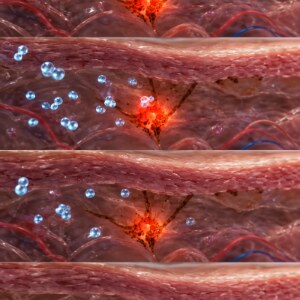
Calms the signal
Tranexamic acidQuiets the triggers behind excess pigment, instead of only brightening the patch you can already see.
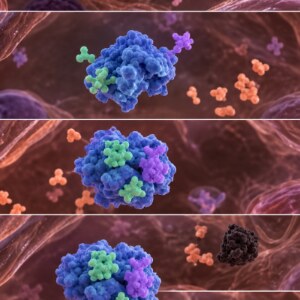
Slows pigment production
Kojic acid + alpha-arbutinBoth block tyrosinase, the enzyme your skin uses to make melanin.

Limits the transfer
NiacinamideReduces how much pigment reaches the skin cells you see.
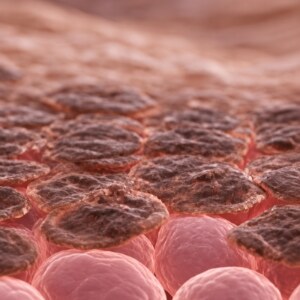
Clears the surface
Glycolic acidLifts the darkened cells already sitting on top, where the patch shows.
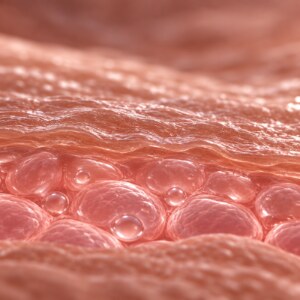
Keeps skin hydrated
The cream baseHelps skin stay hydrated, smooth and glowy while the actives do their work.
From the first signal to the mark in the mirror.
One step, instead of five serums and guessing how to layer them.
Visible results in 30 days, without harsh prescription creams
Those stubborn cheek patches can visibly fade without putting your skin through the dryness and irritation of hydroquinone.
Results like these are why I recommend it.
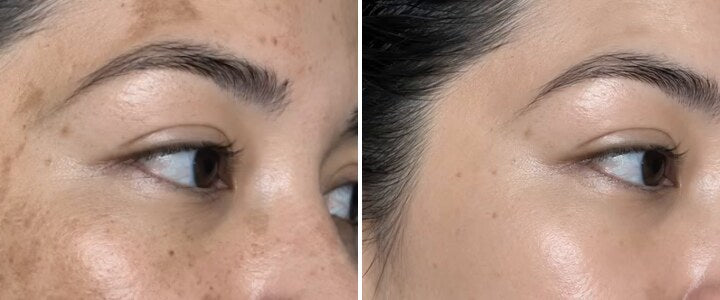
“Three vitamin C serums in two years. My skin looked brighter, but the patches on my cheeks never moved. This is the first thing that actually faded them.”
Hana W., 29 · Tried vitamin C first · Verified Patient
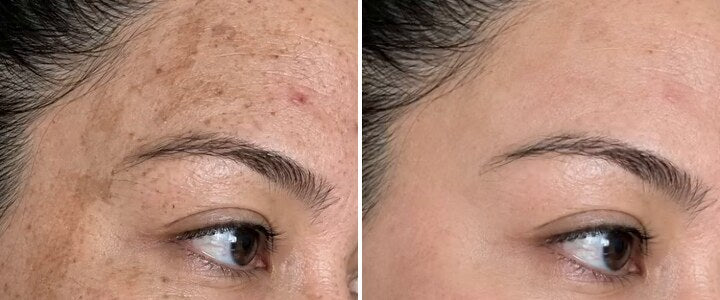
“Hydroquinone cleared it once, then peeled my face raw. I stopped, and it came back darker. Thirty days on this and it’s fading without the burning.”
Grace K., 33 · Stopped hydroquinone · Verified Patient
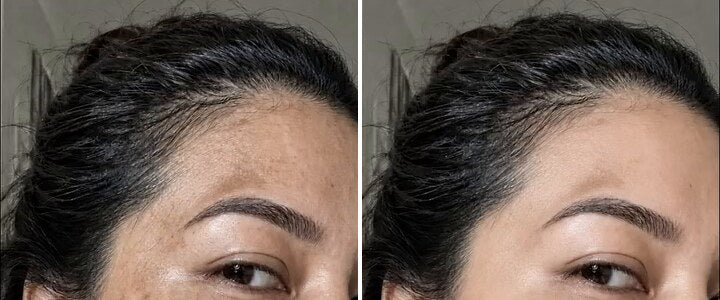
“It showed up after my first pregnancy and never left. My dermatologist called it hormonal and said to live with it. My forehead is finally even again.”
Linh T., 31 · Melasma after pregnancy · Verified Patient
Try Strawberry with 50% Off & a Free Brightening Brush

My recommendation for stubborn melasma patches: Strawberry's five-actives cream.
It targets each stage of the pigment process while keeping skin hydrated, so you can work toward the clear, glowing skin you want to show off.
Try it today with 50% off60-day guarantee. Full refund, keep the bottle.