

Understanding how climate affects your skin texture 🌦️
Noticing Seasonal KP? You're Not Alone
If your arms feel bumpier every winter and calmer in summer, that's not your imagination. Weather has a big impact on keratosis pilaris (KP).
KP is genetic at its core — tiny bumps from keratin plugging up follicles — but climate changes how visible and rough those bumps feel.
For a refresher on what KP is and why it happens, check out Keratosis Pilaris Explained.
❄️ Cold, Dry Weather: Why Winter Feels Rougher

In fall and winter, low humidity outdoors + indoor heating indoors = dry skin central. And dry skin makes KP texture more pronounced.
❄️ What Typically Happens
- Keratin plugs harden → bumps feel sharper and rougher
- Redness increases → the skin barrier is more fragile in the cold
- Itch or irritation → dry air + wool sweaters or leggings rubbing against skin
Many people say their KP is at its absolute worst in the colder months.
💡 For more focused tips, check KP in Winter vs Summer.
☀️ Warm, Humid Weather: Summer's Temporary Relief

Spring and summer often bring natural hydration thanks to humid air. This can soften KP bumps, making skin feel smoother to the touch.
☀️ But Summer Isn't Always Perfect
- Moist air = hydration → barrier stays stronger, bumps often flatten
- Sunlight → sometimes fades redness, though it's not a treatment (and UV has long-term risks)
- Sweat + sunscreen → can clog follicles, leaving some with more texture or dark spots after bumps
So while your KP may look calmer, it still needs care to stay balanced.
✈️ Rapid Climate Changes: Travel & Transitions
If you've ever flown from a tropical beach to a snowy city and suddenly felt your skin flare, you've seen this in action.
- KP-prone skin struggles with quick shifts in humidity and temperature
- The barrier has to "retrain" itself, often leaving bumps rougher and redder
- Even seasonal transitions (like fall → winter) can cause temporary flares

🌡️ Why Weather Affects KP
It all comes back to your skin barrier and keratin turnover:
🔬 The Science Behind It
- Barrier hydration → High humidity keeps skin moist; dry air strips it
- Keratin turnover → Cold weather slows down natural exfoliation, letting plugs build up
- Inflammation → Dryness + friction from clothing = redness and irritation
So it's not that your KP "changes" season to season. It's that your environment is pulling the strings.
✅ What Helps: Seasonal KP Care
❄️ Winter Routine
- Thicker creams → Look for occlusives like petrolatum, shea butter, or ceramides
- Exfoliating moisturizers → Urea (10–20%) or lactic acid (5–12%)
- Humidifier indoors → Adds moisture back into dry air
- Gentle fabrics → Cotton or silk instead of scratchy wool
☀️ Summer Routine
- Lighter formulas → Lotions or serums with lactic acid or salicylic acid
- Rinse after sweating → Gently wash off sweat and sunscreen
- SPF 30+ daily → Protects against redness and darkening
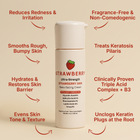
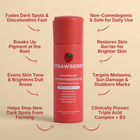
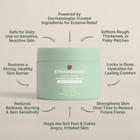
✨ Strawberry tip: Our products are designed to support smoother, softer skin year-round — with formulas that adapt to your seasonal needs.
Bottom Line
- KP is genetic, but weather changes how it looks and feels
- Winter → bumps are rougher, redder, and itchier
- Summer → bumps often soften, but sweat and friction can trigger issues
- Travel & transitions can bring flares as your skin barrier adjusts
- The fix? Adjust your routine seasonally with the right balance of exfoliation, hydration, and SPF
For more detailed routines, check KP in Winter vs Summer.
Your skin doesn't stay the same all year — and your KP care shouldn't either.
Dermatologist-tested • Fragrance-free • 30-day guarantee
This article is for information only and isn't medical advice. Always consult a qualified healthcare provider for concerns about your skin.