

If you’ve searched for ways to treat strawberry skin, chances are you’ve seen the same advice everywhere:
👉 “Use exfoliating acids.”
From salicylic acid to lactic acid, exfoliating acids are often promoted as the go-to solution for:
- strawberry legs
- keratosis pilaris
- chicken skin on arms
- and rough, bumpy texture
But do they actually work?
Or is this just another skincare trend?
The Short Answer
Yes; exfoliating acids can significantly improve strawberry skin, especially when the condition is linked to:
- clogged follicles
- keratin buildup
- dead skin accumulation
- rough texture
But there’s an important catch:
👉 Acids alone are not enough.

The best results happen when exfoliation is combined with:
- hydration
- barrier support
- consistent skincare habits
In this guide, we’ll break down:
- What science actually says about exfoliating acids
- Which acids work best for strawberry skin
- Whether they help with keratosis pilaris treatment
- Common mistakes people make
- How to use acids safely for smoother skin
Key Takeaways
- Exfoliating acids are clinically used to improve keratosis pilaris and rough skin texture
- Salicylic acid helps clear clogged follicles and dark dots
- Lactic acid smooths rough texture while hydrating the skin
- Over-exfoliating can damage the skin barrier and worsen irritation
- Acids work best when paired with a keratosis pilaris moisturizer
- Most people see visible improvement in 4–8 weeks with consistent use
What Is Strawberry Skin?
Strawberry skin refers to the appearance of:
- dark dots on the skin
- visible pores
- rough or uneven texture
It commonly appears on:
- legs (strawberry legs)
- arms
- thighs
- buttocks
The name comes from how the skin resembles the dotted surface of a strawberry.

What Causes Strawberry Skin?
A combination of factors usually causes strawberry skin:
- clogged hair follicles
- oxidized oil inside pores
- dead skin buildup
- shaving irritation
- dryness
Many people also have:
👉 Keratosis pilaris (KP)
A condition caused by keratin buildup inside follicles that creates:
- bumpy skin on arms
- chicken skin on legs
- rough patches
Because both conditions involve follicular buildup, exfoliating acids are often recommended.

What Are Exfoliating Acids?
Exfoliating acids are chemical exfoliants that help remove dead skin cells and improve skin turnover.
The most common types used for strawberry skin treatment are:
AHAs (Alpha Hydroxy Acids)
Examples:
- lactic acid
- glycolic acid
They work mainly on the surface of the skin.
BHAs (Beta Hydroxy Acids)
Example:
- salicylic acid
These penetrate deeper into pores and follicles.
Do Exfoliating Acids Actually Work for Strawberry Skin?
Yes — and there’s clinical evidence supporting it.
Research on keratosis pilaris treatment shows that ingredients like:
- lactic acid
- salicylic acid
- urea
can significantly improve:
- roughness
- texture
- follicular buildup
- visible bumps
A comparative clinical study found:
- 10% lactic acid improved KP lesions by about 66%
-
5% salicylic acid improved lesions by about 52%
after 12 weeks of consistent use.
Why Exfoliating Acids Help Strawberry Skin
To understand why acids work, you need to understand what’s happening inside the skin.
1. They Break Down Dead Skin Buildup
Dead skin cells can accumulate around follicles, making pores look darker and rougher.
Exfoliating acids help:
- loosen dead cells
- improve skin turnover
- smooth texture
This is why they’re widely recommended in:
- kp treatment
- chicken skin treatment
- strawberry legs treatment
2. They Help Unclog Hair Follicles
Salicylic acid is especially effective because it’s oil-soluble.
That means it can:
- penetrate pores
- dissolve debris
- reduce follicle congestion
This directly targets one of the biggest causes of strawberry skin legs.
3. They Improve Rough Texture
Lactic acid and glycolic acid help smooth rough, bumpy skin caused by keratin buildup.
This is why AHAs are commonly used in:
- keratosis pilaris lotion
- keratosis pilaris cream
- best lotion for keratosis pilaris
Salicylic Acid vs Lactic Acid for Strawberry Skin
Salicylic Acid (BHA)
Best For:
- clogged pores
- dark dots
- ingrown hairs
- oily skin
How It Works:
- penetrates follicles
- dissolves oil and debris
- reduces pore visibility
Benefits:
✔ Helps with strawberry legs
✔ Clears follicular buildup
✔ Reduces ingrown hairs
Downsides:
✖ Can be drying if overused
Lactic Acid (AHA)
Best For:
- rough texture
- dryness
- keratosis pilaris
- sensitive skin
How It Works:
- exfoliates surface skin
- hydrates simultaneously
- softens keratin buildup
Benefits:
✔ Smooths bumpy skin on arms
✔ Improves texture
✔ Gentler than stronger acids
Downsides:
✖ Slower for deep pore congestion
Which Acid Works Better?
If your main issue is:
Dark dots and visible pores
👉 Salicylic acid usually works better.
If your main issue is:
Rough bumps and texture
👉 Lactic acid is often more effective.
If you have both (most common case)
👉 Combination approaches work best.
This is why modern KP skin treatment routines often combine:
- AHAs
- BHAs
- hydration
rather than relying on a single ingredient.
What Science Says About Exfoliating Acids
Several dermatology-focused reviews and treatment guides support the use of chemical exfoliants for KP and rough skin.
Studies consistently show improvement in:
- roughness
- skin texture
-
follicular keratin buildup
with acids like: -
- salicylic acid
- lactic acid
- glycolic acid
- urea
The American Academy of Dermatology also recommends moisturizers containing:
- urea
- lactic acid for managing KP symptoms.
The Biggest Mistake People Make
Here’s where most routines fail:
❌ Over-exfoliating
People assume:
“More acids = faster results.”
But overdoing exfoliation can:
- damage the skin barrier
- increase irritation
- worsen redness
- make texture more visible
Dermatologists consistently recommend moderation and consistency instead of aggressive exfoliation.
Why Moisturizer Still Matters
Even the best acids won’t work properly if your skin barrier is damaged.
That’s why pairing acids with a:
- keratosis pilaris moisturizer
- keratosis pilaris moisturiser
- moisturizer for KP
is essential.
Hydration helps:
- reduce irritation
- support healing
- improve texture long-term
Ingredients commonly recommended include:
- ceramides
- urea
- glycerin

How to Use Exfoliating Acids for Strawberry Skin
Step 1: Start Slowly
Use acids:
- 2–3 times per week initially
This helps avoid irritation.
Step 2: Alternate Acids
Instead of layering everything at once:
- Use salicylic acid on some days
- lactic acid on others
Step 3: Moisturize Immediately After
Always follow with:
- a keratosis pilaris lotion
- or barrier-supporting cream
Step 4: Use Sunscreen
Acids increase sun sensitivity.
SPF is essential.
How Long Does It Take to See Results?
Realistic timeline:
Weeks 1–2
- smoother feel
- softer skin
Weeks 4–8
- visible reduction in bumps
- less noticeable pores
Weeks 8–12
- major texture improvement
Clinical studies on KP also showed meaningful improvement around the 12-week mark.
Do Acids Permanently Cure Strawberry Skin?
No — but they can dramatically improve it.
This is especially true for:
- keratosis pilaris
- chronic follicular buildup
KP is considered a long-term condition, but symptoms can be managed very effectively with consistent care.

A Smarter, Multi-Active Approach to Treating Strawberry Skin & KP
Modern skincare has shifted away from relying on a single exfoliating ingredient and toward more comprehensive, multi-active formulations.
This approach is especially important for conditions like:
- strawberry skin
- keratosis pilaris
- chicken skin on arms and legs
because these concerns are rarely caused by just one factor.
That’s where TryStrawberry aligns with a more advanced treatment philosophy.
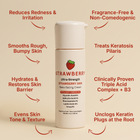
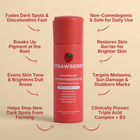
Its Advanced Triple-Acid Complex for Keratosis Pilaris is formulated to combine multiple exfoliating acids in one system to help:
- support smoother skin texture
- reduce follicular buildup
- improve the appearance of rough, bumpy skin over time
Rather than depending only on a basic keratosis pilaris cream or standalone moisturizer, this kind of multi-acid approach reflects what many dermatology-backed routines now recommend for effective:
- kp treatment
- strawberry skin treatment
- best treatment for keratosis pilaris
👉 Explore more: TryStrawberry Advanced Triple-Acid Complex
Common Mistakes to Avoid
1. Using Harsh Scrubs
Physical scrubs can worsen irritation and inflammation.
Chemical exfoliation is generally considered more effective and less irritating when used correctly.
2. Exfoliating Every Day
Too much exfoliation damages the barrier.
3. Skipping Moisturizer
Acids without hydration often lead to irritation.
4. Expecting Overnight Results
Skin turnover takes time.
Consistency matters more than intensity.
FAQs
Do exfoliating acids really help strawberry skin?
Yes. Studies and dermatology guidelines support exfoliating acids like salicylic acid and lactic acid for improving rough texture and follicular buildup.
What is the best acid for strawberry skin?
-
- Salicylic acid → best for pores and dark dots
- Lactic acid → best for rough texture and bumps
Can acids help keratosis pilaris?
Yes. Acids like:
-
- lactic acid
- salicylic acid
- urea
are commonly recommended in keratosis pilaris treatment.
How long does it take for acids to work?
Most people see visible improvement within:
-
- 4–8 weeks
with consistent use.
Can over-exfoliating make strawberry skin worse?
Yes. Excessive exfoliation can damage the skin barrier and increase irritation.
Should I use moisturizer with exfoliating acids?
Absolutely. Pairing acids with a moisturizer for KP helps reduce irritation and improve results.
Final Thoughts
So, do exfoliating acids actually help strawberry skin?
Yes; but only when used correctly.
They can:
- smooth rough texture
- unclog follicles
- reduce bumps
- improve overall skin appearance
But the truth is:
👉 Acids are not magic.
Real improvement comes from:
- balanced exfoliation
- hydration
- barrier repair
- consistency
Because smoother skin isn’t about using the strongest product;
👉 it’s about using the right combination, consistently, over time.