

If you live with eczema, you've probably heard the phrase "skin barrier" tossed around a lot. But what does it actually mean — and why does it matter so much?
Here's the scoop: the skin barrier is your body's shield, keeping moisture in and irritants out. In eczema, that shield is weaker, making your skin more prone to dryness, itching, and flare-ups. The good news? With the right care, you can support and repair it.
Curious about deeper factors? Check out Atopic Dermatitis & Genetics.
What Exactly Is the Skin Barrier?
Think of your skin barrier like a brick wall:
- Bricks = skin cells (corneocytes).
- Mortar = lipids (ceramides, cholesterol, fatty acids).
Together, they keep hydration locked in and irritants, allergens, and bacteria out.
In eczema, this wall is leaky: not enough lipids, not enough ceramides, and often an overactive immune system making things worse.

Why the Barrier Breaks Down in Eczema
Several factors weaken the barrier in eczema-prone skin:
- Genetics: Some people are born with less filaggrin, a protein crucial for barrier strength. See more in Atopic Dermatitis & Genetics.
- Microbiome shifts: Overgrowth of Staphylococcus aureus bacteria disrupts barrier repair. Learn more in Microbiome & Eczema.
- Inflammation: Chronic immune activity damages lipids.
- Over-cleansing or harsh soaps: Strip away natural oils.
- Environmental triggers: Cold, dry weather or pollution.
Damaged Skin Barrier = Eczema Flare-Ups
When your barrier is weak, skin loses water (transepidermal water loss), leaving it dry and itchy. Cracks open the door for allergens and microbes, sparking inflammation and leading to the classic cycle of:
How to Repair Skin Barrier with Eczema
Repairing your skin barrier means focusing on hydration, lipid replenishment, and avoiding irritants. Here's how:
1. Choose the Right Cleanser
- Gentle, fragrance-free, soap-free cleansers.
- Skip foaming gels — opt for creamy or oil-based washes.
2. Moisturize, Moisturize, Moisturize
- Apply within 3 minutes of bathing to "lock in" water.
- Reapply several times a day to vulnerable areas (hands, face, body).
See our guide: Moisturizers That Work.
3. Look for Barrier-Repair Ingredients
- Ceramides: Replace missing mortar between skin cells.
- Cholesterol + fatty acids: Restore lipid balance.
- Glycerin + hyaluronic acid: Humectants that pull in hydration.
- Petrolatum (Vaseline): Gold standard occlusive to seal cracks.
4. Try Soothing Add-Ons
- Colloidal oatmeal → anti-inflammatory + barrier boost.
- Niacinamide (low %) → supports barrier + calms redness.
- Shea butter → nourishes and softens.
5. Identify & Minimize Triggers
- Hot showers? Switch to lukewarm.
- Harsh detergents? Go fragrance-free.
- Scratchy fabrics? Stick to cotton or silk.
Check Environmental Triggers for Eczema for more ideas.
Best Barrier Creams for Eczema
If you're hunting for the best barrier cream for eczema, here's what to look for:
- Rich, balm-like texture (not thin lotions).
- Fragrance-free and dye-free.
- Formulated with ceramides or petrolatum.
Professional Treatments for Barrier Repair
Sometimes moisturizers alone aren't enough. Dermatologists may recommend:
- Prescription ointments or creams → to calm inflammation while barrier heals.
- Wet wrap therapy → applying moisturizer + topical treatment, then wrapping with damp bandages to boost absorption.
- Barrier repair therapies (newer medical creams designed to mimic natural lipids).
These are especially useful if flare-ups are constant or severe.
Sleep, Stress & the Barrier
A weak barrier doesn't just affect your skin — it impacts your whole well-being.
- Poor sleep (from itching) slows skin repair. See Sleep Problems and Eczema.
- Stress worsens inflammation, making barrier healing harder.
Frequently Asked Questions
A: Signs include dryness, flaking, tightness, redness, and stinging when applying products.
A: Yes, with consistent moisturization and barrier support, skin can repair itself over time.
A: Look for thick, fragrance-free creams with ceramides or petrolatum — they mimic the skin's natural lipids.
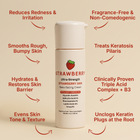
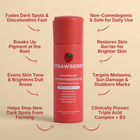
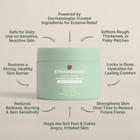
Strawberry's dermatologist-tested, fragrance-free formula is packed with ceramides and soothing agents to lock in hydration and strengthen your skin's natural defenses.

Final Thought
The skin barrier is the heart of eczema care. When it's damaged, skin can't hold onto moisture or block out irritants — and flare-ups follow. By learning how to repair a damaged skin barrier with eczema, using the best barrier creams, and supporting your microbiome, sleep, and stress, you're giving your skin the tools it needs to recover.
Next up: explore Microbiome & Eczema to see how skin bacteria also play a role in flare-ups.
Dermatologist-tested • Fragrance-free • Packed with ceramides
Disclaimer: This article is for informational purposes only and not medical advice. Always consult with a qualified healthcare provider for concerns about eczema or skin barrier health.