

Strawberry skin lotion, keratosis pilaris self-care, best treatment for keratosis pilaris, KP skin treatment, strawberry skin treatment, strawberry skin, and strawberry legs cream are all common searches for people trying to improve rough, bumpy body skin. If you have tiny bumps across the backs of your upper arms that feel rough or look like goosebumps, you may be dealing with keratosis pilaris (KP), often called "chicken skin."
Keratosis pilaris is extremely common and usually harmless, but that doesn't mean you have to ignore it. With consistent keratosis pilaris self-care, gentle exfoliation, moisturization, and the right active ingredients, you can help make the bumps feel smoother and look less noticeable.
The key is understanding what causes those bumps in the first place—and avoiding skincare habits that can make them more irritated.

Quick Answer
The most effective approach to chicken skin on the arms usually combines gentle exfoliation with regular moisturization. Ingredients such as lactic acid, salicylic acid, glycolic acid, urea, and other keratolytic ingredients can help loosen dead skin cells and reduce the rough texture associated with keratosis pilaris.
Avoid aggressively scrubbing the bumps, picking them, or using too many exfoliating products at once. KP often requires consistent maintenance rather than a one-time treatment.
A simple routine can include:
- Gentle cleansing
- A suitable exfoliating treatment
- Regular moisturization
- Avoiding harsh physical scrubs
- Consistent use over several weeks
- Adjusting frequency according to your skin's tolerance
What Is Keratosis Pilaris?
Keratosis pilaris is a common skin condition that causes small, rough bumps around hair follicles. It most commonly appears on the backs of the upper arms, thighs, buttocks, and sometimes the cheeks.
The bumps develop when keratin, a protein found in the skin, builds up around hair follicles and creates small plugs.
This can make your skin look or feel:
- Rough
- Bumpy
- Uneven
- Dry
- Grainy
- Similar to sandpaper
- Like permanent goosebumps
The condition is often referred to as chicken skin because of its appearance.
The American Academy of Dermatology describes KP as a common, harmless condition and notes that treatment can help improve its appearance, although it may require ongoing maintenance.
Why Do I Have Chicken Skin on the Back of My Arms?
The exact reason some people develop keratosis pilaris isn't completely understood, but keratin buildup around hair follicles plays an important role.
Genetics can also influence whether someone develops KP.
You may notice that the bumps:
- Become more obvious when your skin is dry
- Look worse during colder months
- Become more noticeable after hot showers
- Appear on both arms
- Remain even when you moisturize regularly
- Become less noticeable with consistent skincare
Having KP doesn't mean your skin is dirty or that you're doing something wrong.
In fact, aggressive washing and scrubbing can sometimes make the area more irritated.
Why Are the Bumps on the Back of My Arms So Rough?
The roughness comes from a combination of keratin buildup and uneven skin texture around the follicles.
A regular body lotion may make the skin temporarily softer, but moisturizing alone may not remove the excess buildup responsible for the bumps.
This is why many people find that a basic moisturizer improves dryness but doesn't completely smooth their KP.
A targeted KP skin treatment can combine exfoliating ingredients with moisturizing ingredients to address both texture and dryness.
Is Chicken Skin the Same as Strawberry Skin?
Not exactly.
Keratosis pilaris and strawberry skin can look similar, but they aren't necessarily the same concern.
KP typically appears as small, rough follicular bumps, especially on the backs of the upper arms and thighs.
Strawberry skin commonly refers to visible dark pores or dots, particularly on the legs. Shaving, follicular plugging, dry skin, and other factors can contribute to this appearance.
However, the two concerns can overlap.
Someone with KP may also notice:
- Visible pores
- Dark follicular dots
- Rough texture
- Redness
- Uneven-looking skin
That's why ingredients commonly used to treat strawberry skin can also help KP-prone body skin.
What Is the Best Treatment for Keratosis Pilaris?
There isn't one universal best treatment for keratosis pilaris for everyone.
The right approach depends on your skin, how extensive the KP is, how sensitive your skin is, and what products you're already using.
However, dermatology guidance commonly recommends ingredients that help soften and remove excess keratin.
These include:
- Lactic acid
- Glycolic acid
- Salicylic acid
- Urea
- Other keratolytic ingredients
The American Academy of Dermatology recommends products containing ingredients such as urea, lactic acid, glycolic acid, and salicylic acid as potential options for improving KP.
The important part is consistency.
Step 1: Stop Scrubbing Your Arms Aggressively
One of the biggest mistakes people make with chicken skin is assuming that the bumps need to be physically scrubbed away.
That can mean:
-
- Rough body scrubs
- Loofahs
- Exfoliating gloves
- Brushes
- Scrubbing with a towel
- Scratching the bumps
But KP isn't simply dirt sitting on your skin.
Aggressive scrubbing can irritate the skin and make redness more noticeable.
Instead of trying to physically remove every bump, focus on controlled chemical exfoliation.
Step 2: Use a Keratolytic Ingredient
A keratolytic ingredient helps loosen and remove excess dead skin cells.
This is particularly relevant for KP because keratin buildup contributes to the formation of the bumps.
Lactic Acid
Lactic acid is an alpha hydroxy acid (AHA) that can help exfoliate the skin while also supporting hydration.
It is frequently used in body products designed for rough or bumpy skin.
For people with dry KP-prone skin, a lactic-acid-based product can be a useful option.
Salicylic Acid
Salicylic acid is a beta hydroxy acid (BHA) that can help exfoliate dead skin cells.
Because it is oil-soluble, it has different properties from AHAs and is commonly used in products targeting clogged pores and rough follicular texture.
Glycolic Acid
Glycolic acid is another AHA that exfoliates the skin's surface.
It can help improve rough texture and uneven-looking skin, although stronger formulas can be irritating if overused.
Urea
Urea is another ingredient frequently recommended for rough, dry skin.
It can help soften the skin and improve its texture, making it particularly useful when KP is accompanied by significant dryness.
Step 3: Moisturize After Exfoliating
Exfoliation isn't the entire solution.
A good keratosis pilaris moisturizer can help keep the skin hydrated and comfortable.
This is particularly important because some exfoliating ingredients can cause dryness or irritation if overused.
Look for a body moisturizer containing ingredients that support hydration and the skin barrier.
Depending on the product, useful ingredients may include:
-
- Glycerin
- Ceramides
- Urea
- Lactic acid
- Hyaluronic acid
- Other moisturizing ingredients
The goal is to create a routine that balances exfoliation and hydration.
Step 4: Consider a Multi-Acid Approach
If your KP is persistent, a formula combining multiple exfoliating acids may be worth considering.
For example, a carefully formulated product containing glycolic acid, lactic acid, and salicylic acid can provide different exfoliating mechanisms in one routine.
Glycolic and lactic acids are AHAs, while salicylic acid is a BHA.
The advantage isn't simply that the formula contains "more acids."
Rather, different acids can target different aspects of rough, bumpy skin.
However, more exfoliation isn't automatically better.
A product should still be used according to its instructions, and sensitive skin may require less frequent use.
Step 5: Don't Expect Overnight Results
One of the biggest reasons people give up on KP treatments is expecting immediate results.
Keratosis pilaris usually doesn't disappear after one or two applications.
You may notice:
First: The skin begins feeling softer.
Then: Roughness may become less noticeable.
Over time: The bumps may look less prominent.
The timeline varies from person to person.
Consistency is more important than constantly switching products.
How Often Should You Exfoliate KP?
There is no single frequency that works for everyone.
Some people can tolerate regular use of an exfoliating body lotion, while others may need to use acids less frequently.
Start according to the product's directions.
If your skin becomes:
- Burning
- Very red
- Extremely dry
- Cracked
- Painful
- Unusually sensitive
Reduce the frequency or stop the active product and allow your skin to recover.
Using an exfoliant more often doesn't necessarily make KP improve faster.
Can Moisturizing Alone Get Rid of Chicken Skin?
Moisturizing can help, particularly when dryness makes KP more noticeable.
However, traditional moisturizers may not address the keratin buildup that contributes to the bumps.
This is why products specifically formulated for rough and bumpy skin often combine moisturizing ingredients with keratolytic ingredients.
Think of it this way:
Moisturization = supports hydration
Exfoliation = helps address excess buildup
Consistency = helps maintain the improvement
Combining these elements can create a more complete keratosis pilaris self care routine.
Can Shaving Make KP Worse?
Shaving doesn't necessarily cause keratosis pilaris, but it can irritate hair follicles and make existing bumps appear more noticeable.
This is particularly relevant when you also experience:
- Razor bumps
- Ingrown hairs
- Redness
- Follicular irritation
- Strawberry skin
If shaving the arms or legs causes irritation, focus on gentle hair-removal techniques and avoid repeatedly shaving over irritated skin.
Can Chicken Skin Go Away Permanently?
KP can improve significantly, but there isn't a guaranteed permanent cure.
The condition can come and go, and maintenance may be necessary.
You may notice periods when your skin looks much smoother and periods when the bumps become more noticeable.
Factors such as weather, dryness, skincare habits, and individual skin characteristics can influence how visible KP becomes.
This is why it's better to think of KP care as long-term skin management rather than a one-time cure.
Why Is My KP Worse in Winter?
Many people notice that KP becomes more obvious during colder months.
One reason is that cold, dry air can reduce skin hydration.
Indoor heating can also contribute to dry skin.
When your skin becomes drier, the rough texture associated with KP can become more noticeable.
During winter, consider:
- Taking shorter, lukewarm showers
- Using a gentle cleanser
- Moisturizing regularly
- Using a richer body moisturizer
- Maintaining a consistent exfoliation routine
Avoid turning up the intensity of exfoliation simply because your skin feels rougher.
Can Diet Cure Keratosis Pilaris?
No established diet can guarantee the removal of keratosis pilaris.
You may find claims online suggesting that eliminating particular foods will cure KP, but these claims should be treated cautiously.
KP is primarily associated with follicular keratin buildup and genetic predisposition rather than simply eating the "wrong" foods.
If you suspect a particular food is affecting your skin, discuss the concern with a qualified healthcare professional rather than making unnecessary dietary restrictions.
Is Chicken Skin a Sign of Poor Hygiene?
No.
Keratosis pilaris is not caused by poor hygiene.
Washing more frequently or scrubbing harder won't necessarily remove the underlying cause.
In fact, excessive washing and aggressive exfoliation can irritate the skin.
Your goal should be gentle cleansing and targeted treatment, not trying to scrub the bumps away.
Can You Pop Keratosis Pilaris Bumps?
It's best not to.
KP bumps aren't ordinary pimples.
Squeezing or picking them can damage the skin and potentially increase inflammation, redness, and the risk of marks.
If you're tempted to pick because the bumps feel rough, try replacing physical manipulation with a consistent exfoliating and moisturizing routine.
Can Strawberry Skin Products Help Chicken Skin?
Some products designed for strawberry skin treatment may also be useful for rough, follicular skin because they often contain exfoliating ingredients.
However, you should choose a product based on its ingredients and your specific skin concern rather than the marketing name.
For example, a strawberry legs cream may be designed primarily to improve the appearance of visible pores and follicular dots on the legs, while KP on the upper arms may require a slightly different routine.
Look at the active ingredients, directions, and intended application area.
A Simple Routine for Chicken Skin on the Arms
You don't need dozens of products.
Morning
1. Gentle cleanse
Use a mild body cleanser and avoid excessively hot water.
2. Moisturize
Apply a body moisturizer to damp or slightly damp skin.
Evening
1. Cleanse
Keep cleansing gentle.
2. Apply your KP treatment
Use your chosen exfoliating lotion or treatment according to its directions.
3. Moisturize if needed
If your treatment isn't sufficiently moisturizing, follow with a suitable body lotion.
Weekly
Assess how your skin feels.
If the skin is comfortable and improving, continue.
If it's becoming increasingly irritated, reduce exfoliation rather than adding another active.
What Ingredients Should You Look For in a KP Product?
When comparing a KP skin treatment, don't focus only on the product's name.
Check the ingredient list.
For exfoliation
Look for:
- Lactic acid
- Glycolic acid
- Salicylic acid
For hydration
Look for:
- Glycerin
- Urea
- Ceramides
- Hyaluronic acid
For overall skin support
Look for a formula that balances active ingredients with moisturizing and barrier-supportive ingredients.
The best product is often the one you can use consistently without excessive irritation.
What If My Chicken Skin Is Red?
KP can sometimes appear pink or red around the follicle.
However, significant redness, pain, swelling, warmth, pus, or rapidly worsening bumps may indicate another condition, such as folliculitis.
Don't automatically assume every red bump is KP.
If the appearance is unusual or doesn't improve with basic skincare, consider getting a professional evaluation.
When Should You See a Dermatologist?
Consider seeing a dermatologist if:
- Your bumps are painful
- They contain pus
- They are rapidly spreading
- Your skin is significantly inflamed
- You develop scarring
- The condition doesn't improve despite consistent care
- You're unsure whether you have KP
- You have another skin condition alongside the bumps
A dermatologist can determine whether the bumps are actually KP or another condition that requires different treatment.
Key Takeaways
If you're dealing with chicken skin on the backs of your arms, remember:
- Keratosis pilaris is common and generally harmless.
- The bumps are associated with keratin buildup around hair follicles.
- KP isn't caused by poor hygiene.
- Aggressive scrubbing can irritate the skin.
- Lactic acid, salicylic acid, glycolic acid, and urea are commonly used in KP care.
- Moisturization is an important part of the routine.
- A multi-acid formula can provide a broader exfoliating approach.
- Consistency matters more than constantly changing products.
- KP can improve but may require ongoing maintenance.
- Painful, pus-filled, or rapidly worsening bumps should be professionally assessed.
TryStrawberry for Rough, Bumpy Skin
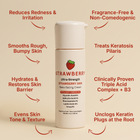
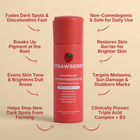
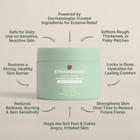
If you're looking for a targeted approach to strawberry skin, KP, and rough body texture, TryStrawberry's exfoliating formulas are designed around active ingredients that help address the appearance of buildup and uneven texture.
A multi-acid approach can be particularly useful for people who want more than a basic body lotion and are looking for a dedicated strawberry skin treatment.
Frequently Asked Questions
How do I get rid of chicken skin on the back of my arms?
A consistent routine combining gentle exfoliation and moisturization can help improve the appearance and texture of keratosis pilaris. Ingredients such as lactic acid, salicylic acid, glycolic acid, and urea are commonly used for rough, bumpy skin.
What is the best treatment for keratosis pilaris?
There isn't one treatment that works best for everyone. A product containing a suitable keratolytic ingredient combined with regular moisturization can be an effective approach for many people.
Does scrubbing get rid of chicken skin?
Aggressive physical scrubbing is not recommended. It can irritate the skin and make redness more noticeable. Chemical exfoliation with appropriate ingredients may be a gentler alternative.
Can strawberry skin and keratosis pilaris happen together?
Yes. Both concerns involve the appearance of hair follicles and can result in rough or uneven-looking skin. However, they have different causes and should not automatically be considered the same condition.
How long does it take for KP to improve?
Results vary. Consistent use of an appropriate treatment over several weeks may be needed before you can properly assess improvement. Maintenance may be necessary because KP can return.
Can I use a triple-acid product for KP?
A carefully formulated multi-acid product can be an option for KP-prone body skin. However, follow the product's directions and introduce it gradually if your skin is sensitive. More exfoliation is not automatically better.
Should I moisturize after using a KP treatment?
Moisturization is an important part of KP care, particularly if your exfoliating product causes dryness. A suitable body moisturizer can help keep the skin comfortable and hydrated.
Final Thoughts
Those tiny bumps on the backs of your arms can be frustrating, but chicken skin doesn't mean you have unhealthy or dirty skin.
If the bumps are caused by keratosis pilaris, the goal isn't to scrub them away. Instead, build a routine that addresses keratin buildup while keeping your skin hydrated and comfortable.
Start with gentle cleansing, choose an appropriate KP skin treatment, moisturize consistently, and give your routine enough time to work.
And if you also struggle with strawberry skin or strawberry legs, look for products formulated around ingredients that address rough follicular texture rather than relying on harsh physical scrubs.
With the right routine and realistic expectations, the rough, bumpy texture of KP can become much less noticeable, and your arms can feel significantly smoother.