


If you’ve ever looked at your legs or arms and noticed tiny dark dots, rough bumps, or an uneven texture that resembles the surface of a strawberry, you’re not alone. This skin concern is commonly referred to as strawberry skin or strawberry legs, and it affects far more people than most realize.

Although it is usually harmless, strawberry skin can be frustrating—especially when it persists despite shaving, moisturizing, or trying different body care products. For some, it appears as visible pores on the legs. For others, it shows up as a rough, bumpy texture on the arms, thighs, or even the face. In many cases, it is linked to keratosis pilaris, clogged pores, dryness, or irritation caused by shaving.
The good news is that strawberry skin is manageable. With the right understanding of what causes it and a skincare routine built around texture, exfoliation, and hydration, it is possible to improve the appearance of the skin over time.
In this guide, we’ll break down:
- What strawberry skin actually is
- What causes it
- Common symptoms
- Whether it is the same as keratosis pilaris
- The best ways to treat and prevent it
- How to build a skincare routine that supports smoother-looking skin
What Is Strawberry Skin?
Strawberry skin is not an official medical diagnosis. It’s a common term used to describe skin that has:
- Small dark dots
- Visible pores
- Rough texture
- Tiny bumps
- Uneven tone
The name comes from the way the skin can resemble the seeded surface of a strawberry.
This appearance is most common on:
- Legs
- Arms
- Thighs
- Buttocks
- Occasionally the face
The condition often becomes more noticeable after shaving or when the skin is dry and irritated.
For many people, strawberry skin is caused by a combination of factors rather than one single issue. That’s why some people struggle to improve it using only a moisturizer or only an exfoliating scrub. The underlying causes need to be understood first.
What Causes Strawberry Skin?
There are several possible reasons why strawberry skin develops. In many cases, more than one cause may be involved at the same time.
1. Clogged Hair Follicles
One of the most common causes of strawberry skin is clogged pores or hair follicles.
When dead skin cells, oil, bacteria, or keratin build up inside the follicles, the openings become more visible. This creates the dotted appearance often seen on the legs or arms.
This is especially common if you:
- Shave frequently
- Have dry skin
- Don’t exfoliate regularly
- Use heavy or pore-clogging products
2. Keratosis Pilaris
A major contributor to strawberry skin is keratosis pilaris, a very common skin condition that causes rough, bumpy texture.
Keratosis pilaris occurs when keratin, a natural protein in the skin, builds up and blocks hair follicles. This leads to tiny, rough bumps that are often described as:
- Chicken skin
- Bumpy skin
- Rough patches
- Strawberry skin on arms or legs
This is why strawberry skin and keratosis pilaris are often closely related.
3. Shaving Irritation
Shaving can make strawberry skin more visible, especially on the legs.
This happens because shaving may:
- Irritate the skin
- Cause ingrown hairs
- Leave follicles more exposed
- Increase the visibility of dark pores
If the hair follicle becomes clogged or inflamed after shaving, the skin may develop the “strawberry legs” appearance.
4. Dry Skin
Dry skin makes texture problems much more noticeable.
When the skin lacks moisture:
- Pores can appear larger
- Bumps may feel rougher
- Dead skin buildup becomes more obvious
- The skin barrier becomes more vulnerable
This is why hydration is such an important part of treating strawberry skin.
5. Ingrown Hairs
Ingrown hairs are another common cause of strawberry skin, particularly after shaving or waxing.
When hair curls back into the skin instead of growing outward, it can create:
- Redness
- Small bumps
- Dark spots
- Uneven texture
This can make the skin look more dotted or inflamed.
6. Folliculitis or Mild Inflammation
In some cases, what appears to be strawberry skin may be related to folliculitis, which is inflammation around the hair follicles.
This may cause:
- Red bumps
- Sensitivity
- Small pustules
- Irritated-looking skin
If your skin feels painful, inflamed, or significantly irritated, it may be worth speaking to a dermatologist.
What Does Strawberry Skin Look Like?
Strawberry skin can look different from person to person, but the most common symptoms include:
Common Signs of Strawberry Skin
- Tiny dark dots on the legs or arms
- Rough, bumpy skin texture
- Small clogged pores
- Uneven skin tone
- Red or irritated-looking bumps
- Skin that feels dry or coarse
- Visible follicles after shaving
Some people notice it mainly on the legs, while others experience it more on the arms or thighs.
Is Strawberry Skin the Same as Keratosis Pilaris?
Not exactly — but they are often connected.
The Difference
Strawberry Skin
A visual description of how the skin looks.
Keratosis Pilaris
A specific skin condition caused by keratin buildup in hair follicles.
So while strawberry skin can be caused by keratosis pilaris, it can also result from:
- Shaving irritation
- Clogged pores
- Ingrown hairs
- Dryness
This is why treating strawberry skin effectively usually requires more than just one type of product.
Where Does Strawberry Skin Usually Appear?
1. Strawberry Legs
This is the most common area.
Strawberry legs usually appear as:
- Dark dots after shaving
- Visible follicles
- Rough texture on the lower legs
- Dry or dotted-looking skin
2. Strawberry Skin on Arms
Often associated with keratosis pilaris, this usually looks like:
- Small rough bumps
- Dry patches
- “Chicken skin” texture
- Red or flesh-colored bumps
3. Strawberry Skin on Thighs or Buttocks
This may be caused by:
- Friction
- Sweat buildup
- Clogged follicles
- KP-related rough texture
4. Strawberry Skin on Face
Less common, but possible—especially in people with keratosis pilaris on face or highly textured skin.
This area should be treated more gently than the body.
Can Strawberry Skin Go Away on Its Own?
In some cases, mild strawberry skin may improve if the underlying trigger is removed—for example, by reducing shaving irritation or improving hydration.
However, for many people, especially those with keratosis pilaris, strawberry skin tends to be persistent and requires ongoing care.
That doesn’t mean it can’t improve. It simply means that consistency matters more than quick fixes.

How to Treat Strawberry Skin
The most effective way to improve strawberry skin is by following a skincare routine that addresses:
- Texture
- Dead skin buildup
- Clogged pores
- Dryness
- Skin barrier health
Let’s break down the most effective strategies.
1. Use Gentle Chemical Exfoliation
One of the most effective ways to improve strawberry skin is through chemical exfoliation.
Unlike harsh physical scrubs, chemical exfoliants help dissolve buildup more evenly and gently.
Common exfoliating ingredients include:
-
- Glycolic acid
- Lactic acid
- Salicylic acid
- Urea (in some formulas)
These ingredients can help:
-
- Loosen dead skin buildup
- Smooth rough texture
- Improve clogged follicles
- Support clearer-looking skin
This is particularly useful for strawberry legs and keratosis pilaris-related texture.
Important:
Over-exfoliating can worsen irritation, so consistency is more important than intensity.
2. Keep the Skin Properly Hydrated
Hydration is often overlooked, but it is essential for improving strawberry skin.
A good moisturizer helps:
-
- Support the skin barrier
- Reduce dryness and roughness
- Improve skin comfort
- Make bumps feel less pronounced
Many people focus only on exfoliation, but without proper moisture, the skin may remain rough and reactive.
A keratosis pilaris moisturizer or moisturizer for KP is often most effective when it combines hydration with skin-renewing support.
3. Avoid Harsh Physical Scrubs
Scrubbing the skin aggressively may feel satisfying in the moment, but it can often make strawberry skin worse.
Harsh scrubs can:
-
- Irritate follicles
- Damage the skin barrier
- Increase redness
- Worsen texture over time
If you want smoother skin, gentler and more consistent methods usually work better than forceful exfoliation.
4. Improve Your Shaving Routine
If your strawberry skin is more visible after shaving, changing your shaving habits can help significantly.
Better shaving tips:
-
- Shave after warm water exposure
- Use a fresh razor
- Use a shaving gel or cream
- Avoid dry shaving
- Shave in the direction of hair growth when possible
- Moisturize afterward
This can reduce irritation, ingrown hairs, and visible follicle darkening.
5. Support the Skin Barrier
A compromised skin barrier can make strawberry skin more noticeable.
When the barrier is weak, the skin becomes more prone to:
-
- Irritation
- Dryness
- Sensitivity
- Inflammation
- Roughness
This is why a good strawberry skin routine should not only exfoliate, but also support the skin’s natural barrier.
Some newer skincare approaches—such as multi-active body care systems—focus on balancing texture renewal with barrier support, which tends to be more effective long-term than aggressive exfoliation alone.
This is one reason why many people move away from generic body creams and start looking for products developed more specifically for rough texture and follicular congestion.
6. Stay Consistent
This is one of the most important points in treating strawberry skin:
You won’t fix it overnight.
Strawberry skin often improves gradually, especially if it is linked to:
-
- Keratosis pilaris
- Chronic dryness
- Repeated shaving irritation
- Long-standing follicle congestion
Most people see improvement through:
-
- A structured routine
- Gentle consistency
- Patience over several weeks
Quick fixes rarely work long-term.
A Simple Strawberry Skin Routine
If you’re not sure where to begin, here’s a simple, effective framework.
Morning Routine
1. Gentle Cleanse
Use a mild body cleanser that does not strip the skin.
2. Moisturize
Apply a body moisturizer while the skin is still slightly damp.
3. SPF for Exposed Areas
If the affected skin is exposed to sunlight (arms, legs, shoulders), use sunscreen to help prevent discoloration and barrier stress.
Evening Routine
1. Gentle Cleanse
Avoid harsh soaps or overly drying cleansers.
2. Apply an Exfoliating Treatment
Use a targeted formula that helps improve rough texture and clogged follicles.
3. Follow with Moisture Support
Use a moisturizer or body cream that supports the skin barrier.
How Long Does It Take to Improve Strawberry Skin?
Results vary depending on the cause and how consistent your routine is.
- 1–2 weeks: skin may feel softer
- 3–6 weeks: rough texture may begin to improve
- 6–12 weeks: more noticeable changes in tone and follicle visibility may occur
The more persistent the condition, the more important long-term consistency becomes.
Can You Prevent Strawberry Skin?
Yes — while you may not be able to prevent it if you’re prone to keratosis pilaris completely, you can reduce flare-ups and visible texture.
Helpful prevention tips:
- Moisturize consistently
- Avoid over-scrubbing
- Exfoliate gently and regularly
- Improve shaving habits
- Wear breathable clothing
- Avoid picking or squeezing bumps
- Support the skin barrier
These habits can make a significant difference over time.
When Should You See a Dermatologist?
Strawberry skin is usually harmless, but you should consider seeing a dermatologist if:
- The bumps are painful
- The skin becomes inflamed or infected
- You have severe redness or irritation
- The condition suddenly worsens
- Over-the-counter skincare isn’t helping after consistent use
A dermatologist can help determine whether the issue is:
- Keratosis pilaris
- Folliculitis
- Ingrown hairs
- Eczema-related texture
- Another skin condition entirely
Why Many Strawberry Skin Routines Fail
A lot of people unknowingly make the same mistake:
They treat only one part of the problem.
For example:
- Using only a scrub
- Using only a body lotion
- Using only shaving products
- Switching products too quickly
But strawberry skin is often caused by multiple overlapping factors, which means a better routine usually needs to support:
- Exfoliation
- Hydration
- Texture renewal
- Barrier health
This is why more targeted body care products are becoming increasingly popular among people dealing with KP-like roughness and visible follicle texture.

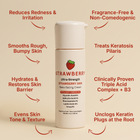
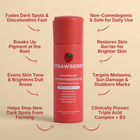
Brands like TryStrawberry, for example, are built around this idea of addressing rough, uneven, follicle-prone skin more intentionally rather than treating it as a basic dryness issue. That kind of targeted approach tends to make more sense for people whose skin concerns are recurring and texture-related.
What Ingredients Are Commonly Helpful for Strawberry Skin?
When shopping for body care products, these ingredients are commonly associated with smoother-looking skin:
Helpful Ingredient Categories
Exfoliating Acids
- Glycolic acid
- Lactic acid
- Salicylic acid
Hydrating / Barrier-Supporting Ingredients
- Ceramides
- Glycerin
- Hyaluronic acid
- Colloidal oatmeal
- Shea butter
Skin Texture Support
- Urea
- Niacinamide
- Soothing botanical ingredients
The best products often combine multiple functions, rather than focusing on only one.
Can Strawberry Skin Be Fully “Cured”?
This depends on what’s causing it.
If it’s mainly caused by:
- Poor shaving habits
- Dryness
- Surface congestion
…it may improve significantly with the right routine.
If it’s linked to:
- Keratosis pilaris
- Genetics
- Long-term follicular buildup
…it may require ongoing maintenance rather than a one-time fix.
That said, many people are able to dramatically improve the appearance of strawberry skin with a thoughtful routine and realistic expectations.
Final Thoughts
Strawberry skin is incredibly common, and while it can be stubborn, it is also manageable.
The key is understanding that strawberry skin is usually not just one issue—it’s often a combination of:
- Clogged follicles
- Rough texture
- Dryness
- Keratosis pilaris
- Shaving-related irritation
That’s why the most effective routines tend to approach it from multiple angles: gentle exfoliation, hydration, barrier support, and consistency.
If you’ve been trying random body lotions or harsh scrubs without much success, it may be time to rethink the approach. Products and routines designed specifically for rough, follicular, uneven skin texture tend to perform better than generic body care.
With patience and the right routine, smoother and more even-looking skin is absolutely possible.
FAQs About Strawberry Skin
Q: Is strawberry skin permanent?
Not necessarily. It can improve significantly with the right skincare routine, especially if clogged pores, dryness, or shaving irritation cause it.
Q: Is strawberry skin the same as strawberry legs?
Strawberry legs is simply a common form of strawberry skin that appears on the legs.
Q: Does keratosis pilaris cause strawberry skin?
Yes, it often can. Keratosis pilaris is one of the most common causes of rough, bumpy strawberry skin.
Q: Should I exfoliate every day?
Not always. Over-exfoliating can irritate the skin. A balanced routine is usually more effective than daily aggressive exfoliation.
Q: Can moisturizers alone fix strawberry skin?
Usually not completely. Moisturizers help, but most people need a routine that also supports exfoliation and texture renewal.