


If you've ever noticed your eczema flaring up right before a big deadline, during an argument, or in the middle of a sleepless night — you're not imagining things. Stress and eczema are deeply connected.
So yes, stress really can make eczema worse, and in some cases, it can even spark a flare-up on your face or body. But here's the good news: by understanding the link, you can take small steps to calm both your skin and your mind.
Curious about the emotional toll? Read about the Mental Health Impact of Eczema.
Can Stress Cause Eczema on the Face?
Short answer: stress doesn't "cause" eczema from scratch, but it does trigger flare-ups in people who are already prone to it.
Here's how it works:
- Stress activates the "fight or flight" response, flooding your body with cortisol.
- Cortisol is supposed to help — but long-term, it weakens the skin barrier and ramps up inflammation.
- For eczema-prone skin, that means itchier, drier, more reactive patches.
Facial skin is especially vulnerable because it's thinner and constantly exposed to environmental triggers like weather, pollution, and allergens. So when stress spikes, eczema patches often show up on the cheeks, around the mouth, or near the eyes.

Why Stress Triggers Eczema Flare-Ups
It's not just in your head — stress really does influence your skin.
- Barrier breakdown: Stress reduces natural moisturizers (like ceramides), leaving skin dry and cracked.
- Immune system shifts: Stress makes your immune system more reactive, which fuels eczema inflammation.
- Itch–scratch cycle: Stress worsens itching → scratching damages skin → more stress → repeat.
- Sleep problems: Stress often leads to poor sleep, and lack of rest makes skin less able to heal.
Explore more about Sleep Problems and Eczema.
The Mental Health Impact
Living with eczema is already tough — add stress, and it can feel like a vicious cycle. Many people report:
- Feeling self-conscious when facial eczema flares.
- Anxiety about new flare-ups.
- Mood dips or irritability from constant itching.
Read more about the Mental Health Impact of Eczema and how to cope emotionally.
Stress Management Tips for Eczema
1. Daily Relaxation Rituals
- Breathing exercises: 5 minutes of slow belly breathing lowers cortisol.
- Meditation or journaling: Helps unload mental clutter.
- Stretching or yoga: Calms both body and mind.
2. Sleep Hygiene
- Keep a regular bedtime.
- Create a cool, dark sleep environment.
- Moisturize before bed so itching doesn't wake you.
See more in Sleep Problems and Eczema.
3. Gentle Skincare Routine
- Use fragrance-free cleansers + rich moisturizers.
- Apply moisturizer within 2–3 minutes of bathing.
- Keep a soothing ointment nearby for flare-ups.
4. Environment Checks
- Avoid overheating — sweat triggers itch.
- Choose breathable fabrics (cotton over synthetics).
- Keep a humidifier in winter to prevent dryness.
Learn more in Environmental Triggers for Eczema.
5. Support System
- Talk to loved ones about flare-up struggles.
- Join online eczema support communities.
- Consider counseling if stress + eczema are impacting your daily life.
When to See a Dermatologist
Stress management is powerful, but sometimes you need extra support. Check in with a dermatologist if:
- Eczema flares are constant or spreading.
- Your skin is cracked, bleeding, or showing signs of infection.
- OTC creams and stress management alone aren't helping.
Derms may suggest prescription creams or other therapies — especially if stress is just one of many triggers.
Frequently Asked Questions
A: No — you need to have the underlying tendency. But stress can absolutely trigger or worsen flare-ups.
A: Cortisol spikes + sleep disruption + anxiety = the perfect storm for eczema.
A: Yes. They won't cure it, but lowering stress reduces one major trigger, which can calm flares.
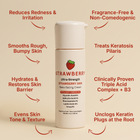
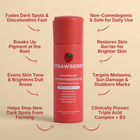
Strawberry's dermatologist-tested, fragrance-free formula helps restore hydration and support resilience — so your skin feels soothed even when life gets hectic.

Final Thought
Stress won't cause eczema out of nowhere, but if you're already prone, it can absolutely make flare-ups worse — especially on the face. The key is learning to spot the link, support your barrier, and build in little stress relievers.
Next up: explore Environmental Triggers for Eczema to see what other hidden factors could be fueling your flares.
Dermatologist-tested • Fragrance-free • Made for sensitive skin
Disclaimer: This article is informational only and not medical advice. Always consult a healthcare professional for persistent or severe eczema.